India Yogashala

Blog

Blog, Travel

Top Things to Do in Mysore: Palaces, Temples & Cultural Delights

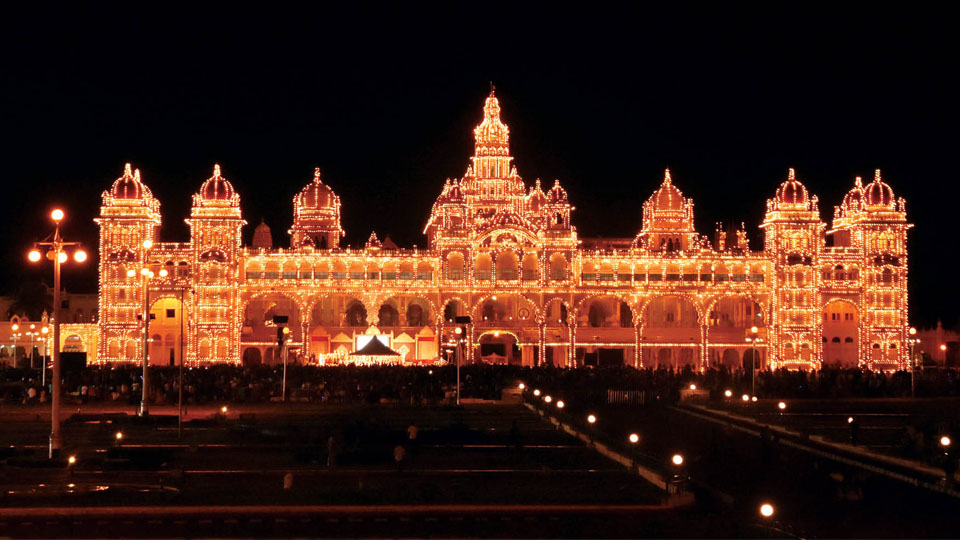
Mysore, also known as Mysuru, is a traditional city in Karnataka which feels like a living museum. It is often referred to as the Cultural Capital of Karnataka and combines the peaceful serenity with grandeur. With the bustling markets of sandalwood and silk, ancient temples filled with spiritual energy, rhythm of life, and the royal palaces reflecting the tales of the Wodeyar dynasty, this city is one of a kind in India.  Mysore is a love at first sight kind of city. With the mesmerizing old architecture and a royal heritage, this city is worth exploring especially if you are a history buff. Its relaxed atmosphere, friendly local people, and delicious cuisine will make your sightseeing worth it. In this blog, you will get to know everything you can do in Mysore. From the temples, food, festivals, and cultural delights, understand how this is not just a regular city but a special one where you can immerse yourself in its age-old traditions.  Explore the Royal Grandeur Mysore was the capital city of the Kingdom of the Wodeyars. This is the reason you can find several palaces and historical landmarks here. One of the most famous and grand landmarks is the Mysore Palace, also known as Amba Vilas Palace. It is designed in an Indo-Saracenic pattern, and is a visual feast with arches, domes, and stained glass windows. The palace was designed in 1912 by the famous British architect Henry Irwin. You can take photographs of the beautiful architecture from outside as it is restricted inside the palace. If you can, visit the palace during major festivals like Dusherra, when the palace glows with almost 100,000 light bulbs looking like nothing but a magical architecture.  Jaganmohan Palace is yet another landmark in Mysore which is equally fascinating but isn’t very popular. It was built in 1861 and is now a treasure of art collections. The palace has been turned into an art gallery which houses one of the largest South Indian art collections. Another historical landmark is the Lalitha Mahal Palace in Mysore. It is a regal architecture built in 1921 and styled after St. Paul’s Cathedral, London. The Italian marble staircases, sprawling lawns, and white domes of this palace makes it feel like entering another world. Now this palace has been turned into a luxury hotel. Even if you don’t stay here, you can enjoy the high tea or a proper meal at their restaurant and soak in the world of age-old style grandeur.  Discover the Temples of Mysore Mysore is a deeply spiritual city which is surrounded by temples and other religious landmarks, each of them holding centuries of devotion. One of the most famous temples in the city is Chamundeshwari Temple at the Chamundi Hill. This temple is solely dedicated to Goddess Chamundeshwari, who was the patron deity of the royal family of Mysore. You can easily reach the temple by road or by climbing the 1000 steps, which feels like a pilgrimage in itself. You will also encounter a Nandi statue on your way  to the temple, which is carved from a single block of granite. Once you reach the temple, you will witness the breathtaking panoramic view of Mysore city.  Another beautiful temple is the Somnathpur Temple which is nestled about 35 kilometers away from Mysore. It was built in the 13th century and is said to be a masterpiece of Hoysala architecture. The temple is dedicated to Lord Keshava, who is a form of Lord Vishnu. This star-shaped temple is also included in the UNESCO World Heritage Site list and is extremely popular for its astonishing symmetrical beauty. Immerse Deeply in the Cultural Experiences Mysore is a city where culture is deeply lived by the people living there. When you explore the city, you can easily feel the music, crafts, dance, and daily rhythm of life in you. One of the best times to be in Mysore is during its Dasara festival. It is usually celebrated in September or October and is the state festival of Karnataka. Mysore becomes a grand stage for the major cultural performances, processions, and other rituals. The royal families participate in these celebrations, Mysore Palace is lit up for 10 days every night and the grand procession on Vijayadashmi is performed. It includes the caparisoned elephants carrying the idol of Goddess Chamundeshwari with music troupes and folk dances.  Mysore has had a long tradition of Bharatanatyam dance form and Carnatic music. Along with this, it is also popular for the Mysore style painting, which includes delicate brushwork and gold leafing that is said to bring the Hindu deities to life. The cultural experiences in Mysore are very special and one of the best things you will witness during your entire trip.  Yoga and Wellness Culture in Mysore Mysore is the birthplace of Ashtanga Yoga, which is a dynamic yoga style that is physically demanding and emphasizes on breathing linked movements. This yoga style was introduced to the world by K. Pattabhi Jois and was carried across the nation by his students. Even today, this city attracts yoga enthusiasts from all over the world to practice authentic yoga.  What makes Mysore special for yoga is not just its history but the way the traditions are woven into the lives of everyone. There are many yoga destinations in the world but most of them have become commercial and offer diluted knowledge to its students. Whereas Mysore is one of the rare cities where yoga is presented in its most authentic form, which is also known as Mysore Style practice. There are many yoga schools in the city that offer Yoga Alliance certified YTT programs as well as wellness retreats in order to enhance your overall wellness. You can enroll yourself in the sessions according to the needs of your body and learn from the highly experienced instructors.  Other than the yogashalas, Mysore has a natural environment that supports wellness. You can easily find ayurvedic clinics, vegetarian cafes, nature-friendly staying options, open
Rishikesh
Blog, Travel

Unmissable Things to Do in Rishikesh: Yoga, Adventure & Spiritual Bliss

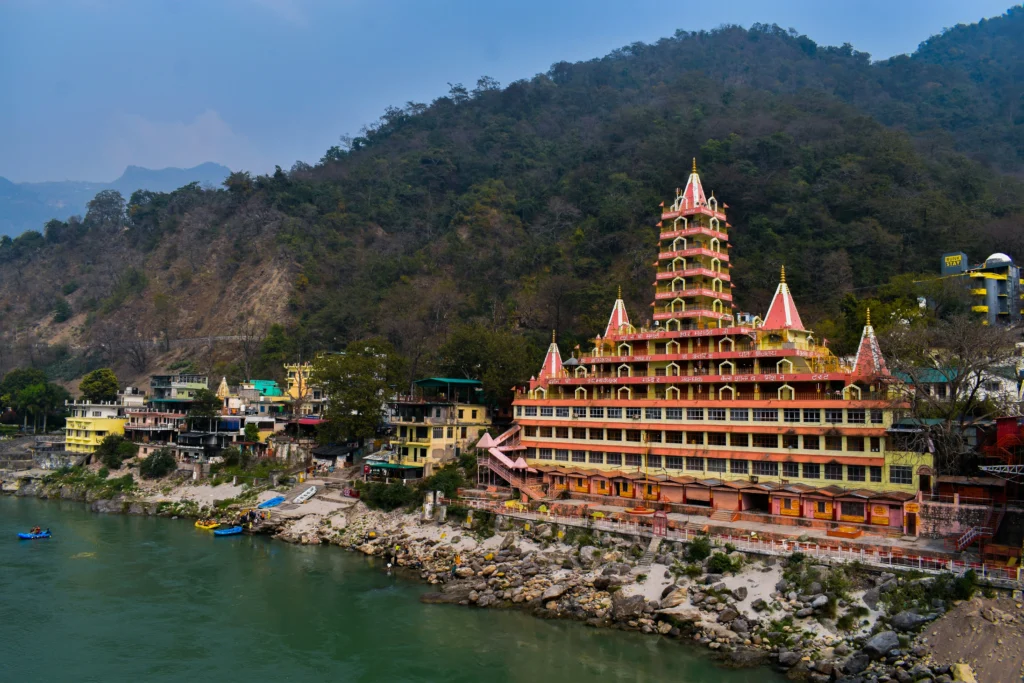
Tucked between the foothills of Himalayas and the holy river Ganges, Rishikesh is one of the most spiritual destinations to visit. It is an experience which has a magnetic pull on its seekers, explorers, and adventurers. Also known as the Yoga Capital of the World, Rishikesh is all about rivers, mountains, peace, spirituality, yoga practices, and a community of yogis who are here to slow down.  Rishikesh is a special destination that beautifully combines two different worlds. On one side, you can easily find tranquil ashrams where time is still, monks are chanting continuously sitting by the river banks, and temples where you can understand the deeply rooted traditions of India. On the other hand, you can also explore a place which excites the adventurous side of you. Strapping on life jackets while river rafting, backpacking and hiking into hidden forest trails and waterfalls, or explorers sipping masala tea in spaces overlooking the Lakshman Jhula.  You can quietly meditate while witnessing the gorgeous sunset or raft down the roaring rapids along with watching the Ganga Aarti in the evening. Whether you are here for a weekend or for a longer period of time, exploring Rishikesh will give you a unique experience and a chance to live your life fully. In this blog, there are some unmissable things to do in Rishikesh. Make sure that you are covering everything from food, culture, spirituality, to yoga, adventure and everything in between.  Immerse into the World of Yoga Rishikesh is called the Yoga Capital of the World for a reason. Wellness enthusiasts from all around the world prefer coming here to start their yoga journey or refine their yogic skills to improve their overall lifestyle. This is where people deepen their practices and learn from authentic sources.  You will see drop-in classes of yoga at every corner of the city. If you are visiting for a shorter duration of time, then enroll yourself in one of these drop-in classes to learn some beginner-friendly yoga asanas. In this way, you will be introduced to the world of yoga and can learn the basics of how yoga helps in enhancing your overall wellness. Along with the asana practices, you can join the classes which include pranayama, meditation, and philosophical teachings of yoga. This way you will get a brief idea about yoga and its importance.  Another opportunity is to enroll in a 200 hour yoga teacher training program in Rishikesh, if you are planning to stay for a longer period of time. there are a variety of yoga schools in the city which are accredited by the Yoga Alliance, USA. This means that the programs offered by these schools are certified and have met the global standards of yogic education. Yoga schools like India Yogashala are perfect if you want to learn yoga in its most authentic form combined with the modern techniques. Learn the different styles of yoga like Hatha, Ashtanga, Yin, Restorative, Iyengar, and Vinyasa from some of the most experienced yogis spending their lives here.If you are interested in teaching yoga professionally in the future, then these programs are going to be your best investment for it. Stay in beautiful, cozy ashrams and consume three sattvic meals daily along with an amazing connection with nature. You can also learn mantra chanting, ayurvedic practices, and have a disciplined routine.  Experience the Bliss of Ganga Aarti In Rishikesh, every evening you can experience the unforgettable energy, with the sun setting behind the Himalayas and the banks of river Ganga getting ready for its famous Ganga Aarti. One of the most famous places where this spiritual aarti takes place is Parmarth Niketan. It is also the largest ashram in Rishikesh and is extremely famous amongst tourists. Another place which is popular for its Ganga Aarti is Triveni Ghat. Just before the actual sunset, hundreds of people gather along the ghat and sit quietly for the rituals of the Aarti. The air fills with the sound of bells and devotional chanting. The priests performing the Aarti are dressed in saffron robes, holding large diyas.  There is no need to be extremely religious to feel the energy of this ritual. The firelight starts dancing on the water and the rhythmic chanting fills the entire ghat in the most mesmerizing way. Locals bring flowers or diyas so that they can float on the river. You can feel the vibration of the mantra chanting and have the most unforgettable time of your life.  River Rafting on the Ganges For the seekers of adrenaline, Rishikesh is one of the best destinations to explore. The white water rafting on the Ganga river is a playground for every adventure lover. Imagine you being surrounded by the big Himalayan foothills, cold spray hitting your face and the roar of the rapids in water echoing everywhere. This is the feeling rafting gives you in Rishikesh.  The Iconic Bridges- Lakshman Jhula and Ram Jhula Ram jhula and Lakshman jhula are two suspension bridges which span the Ganges. These are not just random river crossings but have been woven into the culture, tradition, and history of Rishikesh. Lakshman jhula is named after Lord Lakshman who crossed the river Ganga using just the jute ropes here. To honor it, a hanging bridge was built in 1929, which later became an important part between the two sides of Rishikesh. You can find multiple temples and yoga schools near the jhula to explore and connect with the history of the city.  Another iconic bridge is the Ram Jhula in Rishikesh. It was built in the 1980s and connects the Sivananda Ashram and Swarg Ashram areas with vibrant markets near Muni ki Reti. while crossing the Ram Jhula, you might share the walkway with the monks in saffron robes and the cows and monkeys eying on the edibles. These bridges are not just a structure but metaphors for what this city represents.  Hidden Waterfalls and Nature Trails Apart from the yoga and spiritual energy, you will notice that Rishikesh

things to do in goa
Blog, Travel

Best Things to Do in Goa: Sun, Sand, and Adventure Awaits

The first thought when you think of Goa usually is about the shimmering beaches, gently swaying palm trees, vibrant shacks by the Arabian Sea and its party culture. But apart from all of this, Goa is also known as the melting pot of deep yogic practices which attracts thousands of wellness enthusiasts from every corner of the world.  This small state in India is a place where colorful churches are nestled alongside the beautiful temples, where the retreats and YTT programs exist with the all-night rave parties at the beach and the bustling markets with fresh seafood. The ability of this coastal paradise to offer different versions to every explorer is what makes it truly special and unique. If you wish for relaxation and unwinding yourself, then the tranquil beaches of South Goa are the best option to consider. If you are a party lover and like to experience the bustling crowd of tourists in Goa, then the North side is the ideal place for you to stay.  Read this blog to get the exact guide about the best experiences in Goa and what will help you explore the hidden gems of this destination. By the end of this blog, you will understand why this coastal haven continues to charm travel enthusiasts from all over the globe and why it is different for every individual.  Enjoy your Evenings with the Intimate Goan-Portuguese Culture The soul of Goa is not only in its beaches or its bustling market, but it resides deeply in the music and its culture. While most of the travelers think of this state for its sunset DJs and trance beats by the beachside, the deeper way to understand its real culture is to experience an evening wrapped in the Fado and Mando melodies. Head to the capital of the state, Panaji, where every cultural space, especially the Centre for Indo-Portuguese Arts (CIPA) will feel like a beautiful artwork.  If you wish to understand the culture and traditions of Goa, then spend time in Panaji’s Heritage Home Experiences which host cultural evenings featuring their famous band Entre Nous. Their performances feel like stepping into a museum that not just exhibits songs but also invites you to join it. The Goan heritage is so much more than just beaches or parties, and you will start realizing that after you’ve spent time in the cultural programs hosted here.  Explore the Architectures of Old Goa Image Source: itvarastays Old Goa used to be the grand capital of Portuguese India and was referred to as the Rome of the East. Here the skyline is full of domes, facades, and towing spires which reflect the influence of Europe in Asia. Old Goa is also a UNESCO World Heritage Site and when you enter it, it will feel like you stepped into another era. They have Baroque alters, sweeping courtyards, and red laterite stores that reflect the stories of conquest, devotion, and faith. Visit the Basilica of Bom Jesus here, which was built in 1605. It is one of the iconic architectures in Goa and is famous for holding the mortal remains of St. Francis Xavier.  Exploring Old Goa is a treat for history buffs and enthusiasts as it beautifully combines the spirituality, art, and culture of the Goans. There are many churches still holding daily mass, which gives the travelers an opportunity to see the living spaces of worship rather than seeing a monument. Old Goa provides a glimpse of every chapter of Goan history and is as powerful and impacting as the beaches of Goa.  The Night Life of Goa Goa’s nightlife is one of its major attractions for tourists. When the sun sets into the Arabian Sea, the beachside becomes extra lively and trades their lowkey calm for a vibrant burst of energy. Suddenly everything and everyone takes on an entirely new character at night. When you are along the North side of the coast, the nightlife reflects neon lights, trance music, and dance floors that don’t stop until dawn.  But this vibrant nightlife is not only about the big clubs of Goa but also about the unique and quirky experiences that you will not find anywhere else. In South Goa, the silence of Palolem beach’s silent disco nights is a perfect way to blend in with the strangers without compromising your taste in music. The beach shacks come to life at night and their jazz nights become people’s favourite attraction. You can either lose yourself in a jam packed club or simply listen to the calming live music as the cool breeze carries the soothing sound.  Participate in the Adventurous Activities Goa is a paradise for adventure lovers and for someone seeking thrill in life. The vast Arabian Sea gives an open invitation to dive into sea adventures, especially if you are an adrenaline junkie. Imagine parasailing at the Baga beach or Candolim, or going beneath the surface in the Grande island and Bat island. Kayaking is another adventure activity which you can explore in Goa at a slower pace. Pad through the mangroves of Chapora River and witness the beauty of this coastal paradise.  Apart from the water adventure sports, you can also try jet skiing and banana boat rides which are the staple in every touristy beach. Try white water rafting if you wish to do something more than ordinary during the monsoon season. Bungee jumping at Anjuna beach or trekking into the mist-covered trails of Western Ghats is also another set of adventures you can be a part of.  Be a Part of the Monsoon Festival in Goa Image Source : scroll A majority of the tourist crowd think that Goa is a winter destination, but if you discuss with the locals you will realize that the monsoon season brings out the true magic of this state. Here the rains transform this paradise into a completely green landscape which also includes a lineup of interesting and vibrant festivals. These festivals and religious celebrations reflect the true

Top Things to Do in Kerala
Travel, Blog

Top Things to Do in Kerala: Backwaters, Beaches & Beyond

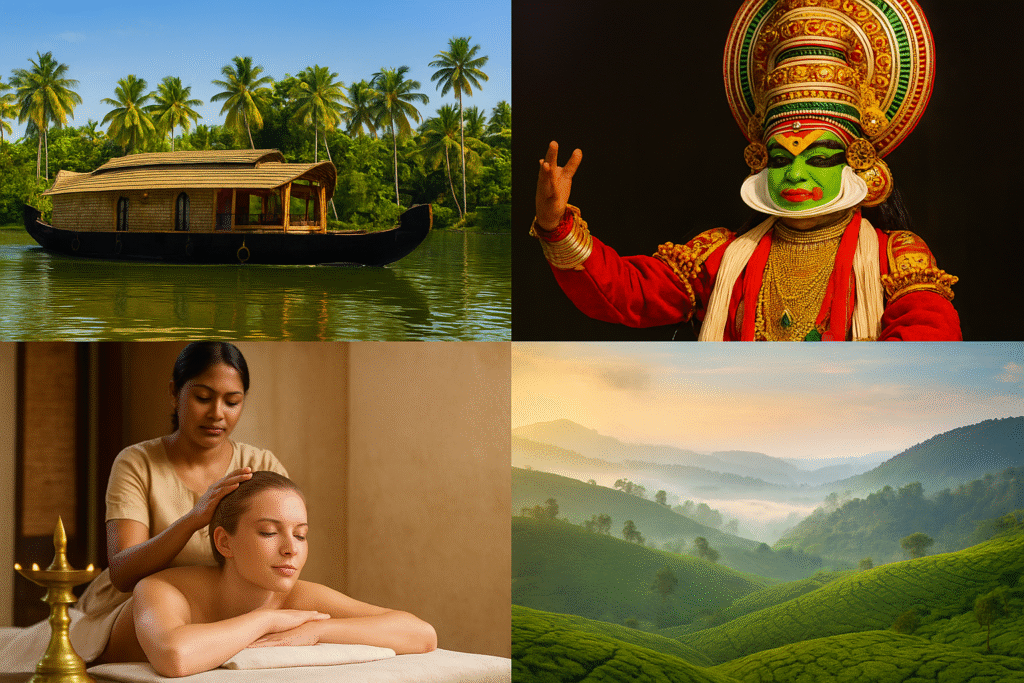
Globally known as God’s Own Country, Kerala is one of the most sought-after destinations, especially amongst wellness enthusiasts. From palm-fringed beaches, mesmerizing backwaters, mist-covered rolling hills, to dramatic cliffs, rich culture, and fields of tea plantation, this nature’s haven offers a little bit of everything. This is not just any travel destination but an experience that lets you feel its rhythm and unfolds slowly. It is the welcoming nature and warmth of people, the feel of soft and shiny sand between your feet, and the fresh smell of the spices. This coastal state is also the place where cultural traditions are followed deeply by the locals. You can watch Kathakali performances at night and then wake up in a houseboat the next morning itself. From various options of accommodations to ancient temples and wildlife reserves, Kerala offers everything one can need while vacationing. In this blog, you will be exploring some of the best things to do in Kerala which includes hidden gems and cultural explorations as well.  Cruise in the Backwaters of Alleppey and Kumarakom Imagine watching the beautiful sunset from your houseboat gliding along the mesmerizing backwaters of Alleppey. No trip to Kerala is considered complete without experiencing the backwaters. They are a network of lagoons, rivers, and canals stretched along the entire state. The ones in Kumarakom and Alleppey are the most famous backwaters in the state.  Being a quintessential experience of Kerala, houseboat stays are a top attraction for numerous tourists. These floating rooms are available in different sizes and shapes depending on your choice. From the luxurious vessels to the rustic and authentic boats, you can find every kind of houseboat in Kerala. You will have the facility of consuming freshly home cooked authentic meals which gives you the true taste of Kerala.  Other than the backwaters, you can also hire a canoe and let the locals row your boat through the smaller channels where your houseboat can’t reach. Through this, you will be able to get a closer look of the daily lives of villagers in the state and how sustainable living benefits people. From women washing clothes by the banks, farmers in the paddy fields, and children waving, these villages are warm and welcome tourists to have an authentic experience of life. Unwind on the Beaches of Kerala The coastline of Kerala is stretched for more than 500 kilometers and has breathtaking beaches which are unique in their own ways. Whether you are looking for the vibe of beachside cafes, thrill of the ocean or the quiet hidden coves, Kerala has it all.  Kovalam Kovalam is amongst one of the most popular beaches in Kerala and majorly known for its crescent shaped shoreline and lively atmosphere. This place is ideal for enjoying fresh seafood along the beachside, surfing, and ending the day with breathtaking sunsets that paints the sky pink.  Varkala Varkala is yet another popular as well as beautiful beach in Kerala, majorly known for spirituality and leisure. The dramatic cliffs which fall into the sea and the relaxed atmosphere makes it ideal for yoga and other wellness practices. This particular beach is mostly preferred by backpackers and yoga enthusiasts who are also looking for ayurvedic therapies as well as overall healing. The beachside cafes and shacks along the cliffside have amazing views of the Arabian Sea and are ideal for relaxation.  Marari and Beyond If you are someone craving for solitude and silence, then Marari beach is the ideal place for you. With a sleepy stretch of sand, it is ideal for hammocks under palms, catching beautiful sights of fishermen mending nets, and peaceful long walks. Explore the Hill Stations of Kerala Along with beaches, ocean, and dramatic cliffs, Kerala is also full of lush mountain ranges, mist-covered forest trails, waterfalls, and abundance of flora and fauna. Because of the Western Ghats running through the entire state, the hill stations here are cool and serene, perfect for an escape from the beachside energy. The cascading waterfalls, trekking trails, and greenery of tea gardens are the highland getaways of Kerala which offer peace and solitude.  Munnar Munnar is one of the most famous destinations in Kerala, majorly known for its tea plantation. The rolling field of green patterns and faint aroma of fresh tea leaves makes this place extremely special. You can visit a tea plantation to learn how leaves are plucked and processed here. Apart from this, you can also hike through the Eravikulam National Park where you might get a rare sight of the Nilgiri Tahr. You should not miss visiting Mattupetty Dam if you are in Munnar as it is ideal for boating.  Wayanad Wayanad is extremely popular for cascading waterfalls, tribal culture and mist-covered forests. You can trek through the green forest trails to reach Edakkal Caves or simply relax by the Meenmutty Waterfalls. Wayanad also has an abundance of spice plantations where you can take tours amongst the plantations of cardamom, coffee, and pepper plants. If you like adventure, then trekking up to Chembra Peak is also one of the best options for you. Spend some time in the calmness of Pookode Lake or explore the jungle trails hidden around it.  Vagamon Vagamon is a hidden gem and is much quieter than Wayanad or Munnar. With the beautiful rolling meadows, adventurous activities, and pine forest areas, this destination is perfect for someone who wishes to stay closer to nature and also have a dash of thrill. Vagamon feels like a retreat and is an escape from the mainstream tourist crowd. You can also explore the breathtaking meadows and visit the Kurisumala Hill, which has sweeping views of the valley.  The Cultural Treasures of Kerala The cultural aspect of Kerala is as diverse as its landscapes. From traditional dances to grand festival celebrations, the entire state celebrates everything in colorful ways. The age-old culture with modern touch here is deeply rooted and alive in the lives of locals, which offers a chance to visitors to experience authentic

Yoga, Blog

How to Choose the Right Yoga Teacher Training for You

One of the biggest steps before becoming a certified yoga teacher is to choose the right program according to your requirements. It is not just about the certification but about your investment of time, energy, and money. The right yoga teacher training is responsible for shaping your life ahead and supports you to achieve all your health goals.  There are thousands of yoga schools available across the globe. All of them provide certified YTT programs with deep knowledge and hands-down practice. Some of them might focus on mentorship and brushing up your teaching skills, while some schools may emphasize on strengthening the foundations and learning all the aspects of yoga. So now the question arrives- which yoga teacher training program should you prefer? The answer lies within you. You need to self-analyze and ask yourself about your requirements and expectations from the YTT program. Look beyond the glossy marketing and understand the benefits of the program and whether it suits you or not. This is a detailed guide which will tell you some points which are essential while choosing the right yoga teacher training for yourself.  Understand your Purpose Before you jump into researching the yoga schools and destinations for YTT programs, ask yourself, why do you wish to join the yoga teacher training? Your answer will be your purpose and will act as a compass to guide your path through the entire journey. When you have a clear reason for joining the program, every decision you make regarding it will be clearer and better.  Choose a program that focuses majorly on teaching methodologies if you wish to teach yoga professionally in the future. This will help you to understand the different asanas along with learning the skills required for teaching. Select a program that incorporates hands-on practice teaching and real-time feedback from the instructors. Take the module sessions which are about sequencing and designing the classes according to the level of students attending your session. It will also teach you the business side of teaching yoga, which includes marketing yourself and creating a sustainable career for your yoga teaching.  If you aim to improve your personal practice and have overall wellness growth, then join a program which teaches yoga beyond the surface level. Choose a course which teaches meditation, yogic philosophy, and pranayama in depth while giving you insights about how to live yoga. These programs will guide you to the real purpose and practices on and off the yoga mat. Various yoga schools provide well-structured YTT programs which perfectly splits between the personal practice and providing special tools for refining your teaching skills.  Location Matters One of the most important yet often overlooked factors while selecting a YTT program is the location. Where you train directly impacts your overall experience and transformation. Some destinations are globally known for their rich yogic heritage and serene natural settings—like Rishikesh, Goa, and Kerala in India, or Bali, Thailand, and Costa Rica. These places not only provide authentic yoga education but also immerse you in environments that naturally inspire mindfulness and self-reflection. For example, Rishikesh is often called the Yoga Capital of the World, attracting seekers from across the globe to learn yoga at the banks of the holy Ganges. Kerala offers a tranquil, Ayurveda-inspired setting for those who want healing alongside training, while Goa combines a relaxed beach vibe with traditional yoga teachings. Choosing a location that resonates with your personality and goals—whether it’s mountains, beaches, or urban centers—can enhance your focus, deepen your connection with the practice, and help you build lifelong memories. While finalizing the destination, also consider practical aspects like climate, cost of living, accessibility, cultural fit, and whether you prefer a traditional ashram-style environment or a modern retreat-style yoga school. A thoughtfully chosen location creates the right energy for your yoga journey and makes your training experience unforgettable. Know the Different Levels of Yoga Teacher Training YTT programs are based on different levels, starting from beginner level to the advanced one. The 200-hour YTT program is the basic program that teaches you the foundations of yoga and its deep purpose. This course is best for getting introduced to some essentials like basic anatomy, asanas, philosophy, meditation, teaching methodology, and pranayama. Graduating from a 200-hour yoga teacher training program signifies that you can start teaching yoga professionally to others. This is a compulsory program to consider if you wish to have a professional career in yoga.  After completing the beginner-friendly program, if you want to deepen your understanding and wish to brush up your teaching skills, then choose the advanced level 300-hour YTT program. This level of program is meant for practitioners who have successfully graduated from the fundamental program and want specialized practices. It is an advanced program focusing on refined sequencing, dynamic poses, deep philosophy, and hands-on practices. If you wish to make yoga your lifelong path, then consider taking the comprehensive 500-hour yoga teacher training program. It is perfect if you wish to complete both the foundational as well as advanced level course in one continuous program. This is considered to be the highest level of YTT program one can complete which reflects your commitment as well as discipline towards yogic practices.  Analyze the Curriculum Evaluating the curriculum while choosing the right YTT program is an important thing to consider. The perfect program is not only about teaching to perform yoga poses but also to provide you a well-rounded learning of yogic lifestyle and its importance. A YTT program with a strong curriculum will help you to learn different asanas, teach you how to align your body perfectly and practice safely without injuring yourself. It also consists of teachings about anatomy and physiology, which will ultimately tell you how your body works. This in-depth knowledge is necessary if you wish to guide others responsibly.  Another essential aspect of a yoga teacher training program is to study yogic philosophy. Understand the real purpose behind these practices and how they reform your overall wellness. The classical

how to prepare for yoga teacher training
Blog

How to Prepare for Yoga Teacher Training: What to Know Before You Go

Yoga teacher training is a life-changing program to commit to. It might begin as a curiosity or a desire to deepen your yoga practice but what will surprise you is how much more you can take from it. By the time you graduate from the program, you will walk away with a fresh perspective of your life, body, and surroundings. Preparing yourself for a yoga teacher training program is not only about researching logistics or deciding your destination, it is also to learn how to incorporate yoga in your daily life and train your mind as well as body for handling the long hours of practice.  When you start your YTT journey by being fully prepared, you are going to thrive on your experiences. Building strength, flexibility, calming your mind, and setting realistic expectations are going to keep you grounded when the program starts to feel heavy. Once you are prepared, it helps you to fully absorb the teachings and also become the most confident as well as centered version of yourself. In this guide, you will learn how to prepare yourself before joining a yoga teacher training program.  Understand What Yoga Teacher Training Actually Is Before you jump into the decision of joining the yoga teacher training program, make sure you are crystal clear about what it actually is. Many people think of this as an extended yoga retreat which is about detoxifying, rejuvenation, and some perfect Instagram-worthy poses. But yoga teacher training is a rigorous program from the moment you arrive. Your days are planned, scheduled, and structured and the students are expected to be disciplined as well as committed enough.  The early mornings start with meditation or pranayama while watching the sunrise, then long asana sessions. Then you spend your other half of the day off the yoga mat, understanding the yogic philosophy and exploring the anatomy of a human body. Yoga teacher training is about showing up everyday with the same discipline and focus to grow. You will feel exhausted and intimidated on some days but that is a part of the process. This is what makes the entire journey transformative and enlightening for you. It gives you a chance to escape from your old patterns and reconnect with your true self on a deeper level. If you are passionate about teaching yoga and sharing its wisdom to others, then this is the perfect opportunity to build the skills required for it.  Start Building your Personal Yoga Practice By starting your personal practice before you start the yoga teacher training program, you will get one step clearer during your training period. You can easily absorb all the teachings as you are already familiar with yoga. This doesn’t mean that you need to have the ability of floating into a headstand or nail the advanced postures. What matters is that you have consistency and a habit of always showing up on your yoga mat.  Building yoga practice before joining the YTT program is important for two reasons. First is that your body will be grateful to you for putting it into a habit of performing asanas daily. Yoga teacher training is a rigorous program which requires you to physically practice for several hours. If your body is not in a habit of moving regularly, then you might feel uncomfortable and wiped out during your training. So it is recommended to start your personal practice at least 6-8 months prior to the actual program.  Secondly, building personal yoga practice and preparing your body will also help you  stay mentally disciplined. You should always remember that training is not only about physical posture but also about showing up everyday even if you are tired or not in the mood. Incorporating this habit of practicing daily will serve you during the tough times in your training journey. If you are not sure about when you are starting, just add some short home yoga practices to your days and mix it with pranayama and meditation. By the time your program starts, you will feel more prepared and stronger to step on the mat with confidence.  Also Read: How Much Time Does It Take to Become a Certified Yoga Teacher? Getting Familiar with the Yogic Philosophies In your yoga teacher training program, be it the foundational or the advanced course, there will be lessons on yoga philosophies. These are important to understand as it is the base of every yogic aspect. That is why starting to read these philosophies and teachings before you start your program will help you be ahead of your time in this journey. Explore the chapters and ancient text and build a familiarity so that when your instructor mentions the terms dharana, prana, or samadhi, you are not confused about it.  Some approachable options to read the yoga sutras are the Bhagavad Geeta, Hatha Yoga Pradipika, and Patanjali Yoga Sutras. These texts outline the deeper purpose of yoga and teaches you the spiritual path of this journey. You can also listen to some podcasts or watch YouTube videos which break down the ideas mentioned in these traditional textbooks. By providing a headstart to yourself with yogic philosophy, you will be walking into the yoga teacher training program with curiosity and questions, not with an overwhelming nature. Improve your Lifestyle Several yoga schools emphasize on living a sattvic life. This means that you should eat clean, keep your habits simple, and live your life in a way that makes you feel lighter from mind as well as body. It is about creating a surrounding for yourself where you have steadiness supported and your mind is more present. Try to improve your lifestyle or bring some sustainable changes before you start your YTT journey as it will prepare you for the future changes. The first thing to improve is the food you consume. If you are someone who loves having heavy and processed meals, lots of caffeine beverages, and late-night snacking, then these habits lead you to feeling sluggish

Deepening your Own Practice
Uncategorized, Blog

How to Start Teaching Yoga: Tips for New Instructors

Starting your professional career as a yoga teacher can be extremely overwhelming but also exciting. When you have spent the required hours completing the yoga teacher training, stepping out of the student role and becoming a teacher feels like a whole new universe. But the truth is, every yoga teacher feels the same way before starting their teaching career.  Always remember that teaching is not about knowing every posture, it is about guiding others for a healthier lifestyle through practice. In the beginning, think about being more thoughtful, authentic, and real for your students rather than being the perfect instructor. You already know the basics but you have to boost yourself through some real-world experiences.  Teaching yoga can be extremely rewarding as well. Sharing the yogic wisdom and watching others having benefits out of it because of your guidance is something you will always remember. This blog will tell you everything about how you can start teaching yoga as a beginner who just completed their certification.  Set Your Foundations Perfectly Know your role You should understand that you are a yoga instructor, neither a doctor, nor a physio. Your job is to guide your students regarding bodily movements, attention, and synchronized breathing. You are not responsible for diagnosing diseases or prescribing medicines. Encourage your class to listen to their bodies and if they have serious issues then recommend them to consult a doctor.  Ethics and Consent Sharing the wisdom of yoga and teaching its practices also means that you are going to work with people’s bodies as well as emotions. It is important to prioritize and have clear consent before starting your sessions. Respect the boundaries of your students as it will help you in building trust.  Insurance and Legal Basics You might need liability insurance depending on where you are teaching. This insurance will help you if a student gets injured in your class during the asana practice. Always make sure to provide a safe and supportive environment to your students so that there are no injuries but also have insurance as a safety net in case you need it.  Discover your Teaching Voice Always remember that your words are your primary teaching tool, which will lead the room while you teach.  Practice Clear Cueing Learning to give clear cues is extremely important while teaching yoga. It is just about giving simple and short instructions which are easy to understand as well as effective while practicing yoga. This skill will start getting better once you start having multiple sessions of teaching yoga. The more you teach, the more fluent you become in giving clear cues to your students.  Find Your Rhythm Find your rhythm of teaching and don’t rush through the instructions. Calm down and breathe with your students. Take your time and be comfortable while teaching. Speak at the pace at which you will like them to move their bodies. After you give a specific cue, wait for a few moments and let your students process it.  Use Your Natural Voice Don’t have a different voice while teaching yoga as it does not sound relatable or natural at all. In fact, speak in a tone which feels normal and calming to you and to the students. With enough experience, your teaching style will enhance and you will start becoming more and more authentic.  Plan your First Class as a Yoga Teacher Planning your sessions is a part of being a great yoga instructor. The trick for this is to not overcomplicate the steps and start with some simple sequences, especially if you are planning your first class.  Start with Simple Sequences You don’t need to create a new flow or sequence of asanas every week. Start with a small and effective routine of asanas which will benefit your students and build familiarity as well as confidence in you. Prepare yourself well for the sequence you decided and you can also rotate it or adjust it according to the requirement of the class.  Structure of a Beginner-Friendly Class (60 minutes) Focus on Safety and Inclusivity  A good teacher always makes sure that their students are feeling welcomed, safe, and supported. Make a better sense of choices while giving cues to your students. Focus on making your sessions inclusive for all kinds of practitioners so that they don’t hesitate reaching out to you when required.  Keep a friendly environment in the class and remind your students to keep encouraging each other. During your yoga practice sessions, always keep the props handy, in case someone needs it. Normalize the use of props like blocks, straps, etc as they will help your students in having a safer and much more accessible class.  Start Small and Build Confidence  It doesn’t matter how much you have studied or practiced in the teacher training programs, only your first class is going to guide you and give you experience. Start small by teaching your friends, family or acquaintances as they will boost your confidence and give you honest feedback to improve. Your confidence won’t grow from the books you read but from teaching other people. Even if it feels uncomfortable at first, start teaching as soon as you finish your training and gain the experience.  At first, you might feel intimidated by the thought of teaching a class full of other practitioners. This is the reason you should always start with familiar faces and where the environment is supportive. You can also teach in front of a camera in order to self-analyse yourself. It is the most effective way to notice your habits, gestures, and cues you are giving. These early experiences will help you build comfort and strengthen your ability to hold space while stepping into the role of an instructor.  Your first real opportunity can come through yoga studios or centres organizing workshops. There are various yoga studios which keep a list of eligible yoga teachers handy in order to call them when their regular teacher is not available. Try to get on

become a yoga teacher
Blog

How to Become a Yoga Teacher: Step-by-Step Certification Guide

Becoming a certified yoga instructor is not just joining a training course and picking up the certificate. It is about making the right sequence of choices and sticking to your decisions. It is also about embracing a simple lifestyle towards physical, emotional, mental, and spiritual wellness. The journey of becoming a yoga instructor can be different and personal for every individual but the professional and structural approach is the same.  Teaching yoga is one of the most dynamic professions in the world that combines entrepreneurship, wellness as a passion, right education, and personal development. While the career path is flexible as compared to other professions, you must also understand that it requires you to be involved in self marketing, proper communication skills, adapting to the needs of your students, and continuing education to stay updated.  In this blog, you will learn about the entire process of becoming a certified yoga teacher. Understand the step-by-step procedure that is inspired by the curriculum of top ranking yoga schools and with the collective wisdom from experienced instructors. With exact options and requirements, map your plan and get started with the yogic journey with full confidence.  What does “Certification” Means? Certification in Yoga Teaching means that you are reliable enough to spread the right information about yoga and its principles. Yoga Alliance, USA is the non-profit organization that looks after the global standards regarding yoga teacher training program and the yogic education provided all over the world.  For achieving the certification, you need to at least graduate from the foundational 200-hour YTT program accredited by the Yoga Alliance. Once you have completed the course, you can apply for the RYT 200 certification, which reflects your credibility to teach yoga professionally anywhere across the globe. Certification also means that you are sincere and passionate enough to provide yogic knowledge and guidance to your students. It is a responsibility that you need to pay attention to while teaching yoga professionally.  8 Steps To Become A Certified Yoga Teacher Becoming a certified yoga teacher is a rewarding journey that combines personal growth with professional training. By following the 8 essential steps—starting from building your own practice and exploring yoga styles, to completing a certified 200-hour course, registering with Yoga Alliance, and continuously upgrading your skills—you gradually transform from a dedicated practitioner into a confident teacher. Each step not only strengthens your knowledge and teaching ability but also deepens your connection with yoga, preparing you to share its wisdom authentically with others. Understanding Yoga Styles and Getting Clear on your Goal The first step before you jump into enrolling yourself for a yoga teacher training program is to explore different yoga styles and understand what resonates with you. Spend at least a month in logging self-practice and reading about yoga styles. For example if you like practicing slow-paced asanas that focus on holding the poses and incorporating breathing awareness, then Hatha Yoga is the one for you. If you are intrigued with practicing fast-paced, disciplined yoga asanas that are physically demanding, then Ashtanga Yoga is more suitable for you.  This is how you are going to figure out what resonates with your body and makes you comfortable to teach. Exploring these yoga styles are going to help you discover your natural teaching style as well as your own interest. It will eventually attract the audience you wish to serve, so that you can connect with them better.  Choosing your Pathway and selecting the YTT program This decision is going to be extremely important as it sets the tone for your future yoga career and overall wellness. Question yourself about whether you wish to teach yoga professionally around the world or want to practice in India-specific regions. If you want to have a global tract, then the RYT certification courses accredited by the Yoga Alliance is the best opportunity to consider. If you wish to stick to institutional track in India-specific regions, then a Yoga Certification Board qualification is all you require. There are various yoga instructors who prefer pursuing both certifications for their yogic career.  Now comes the selection of the yoga teacher training program. Start by enrolling yourself in a 200-hour YTT program accredited by the Yoga Alliance as is the fundamental level of training which you must complete before joining the advanced courses. In the 200-hour YTT program, you will get all the basic understanding of every yogic aspect and how it helps in your overall wellness. Once you have graduated from this program, you will receive the RYT 200 certification that signifies your credibility. You can start teaching yoga immediately after this or enhance your knowledge by joining the advanced level 300-hour YTT program.  Deepening your Own Practice Before you train yourself to become a yoga instructor, understand every aspect of yoga as a student. Yoga is so much more than just learning the postures, it is also about incorporating the practical as well as theoretical practice in your lifestyle. Always remember that a good yoga teacher will be someone who has truly lived yoga on and off the mat, and not someone who can perform the most dynamic asanas. For this, you require to deepen your own practice with proper consistency and not complexing everything. Start by practicing asanas for just 20 minutes a day and be consistent with it. You will realize how a steady commitment can shape you. The physical postures are important for building flexibility as well as strength in your body and also for training your mind to be more patient as well as aware.  Explore different yoga styles from Hatha, Ashtanga, to Vinyasa and Yin. Each yoga style teaches a different but interrelated aspect of yoga through which you can discover which style resonates with you the most. Start journaling your practice, take out at least five minutes after every session to evaluate yourself and write down whatever you noticed. This will help you in deepening self-awareness. After some time, you will notice that yoga not only shapes

How Much Time Does It Take to Become a Certified Yoga Teacher
Blog, Yoga

How Much Time Does It Take to Become a Certified Yoga Teacher?

The journey of becoming a certified yoga teacher from a mere student is more than a career move. It is a personal transformation and about turning your passion for wellness into a life path for others. To answer the question- How much time does it take to become a certified yoga teacher? You need to understand that the duration of your certification depends on various reasons like our intentions, yoga style, training level, and structure of your program. In order to become a certified yoga instructor, you need to graduate from at least the foundational 200-hour yoga teacher training program, from a yoga school which is Yoga Alliance certified.  In this article, you will learn about how different factors influence the timelines of the certification course and what is the preparation phase as well as progression phase for that. This blog will be an inspiration for you to complete your yoga teacher training in order to receive the global certification.  Understanding What “Certified Yoga Teacher” Means Before learning about the time duration of yoga teacher training programs, you need to understand what is the meaning of a certified yoga teacher. Someone who has successfully completed their yoga teacher training program according to the standards and credibility of the Yoga Alliance, USA, is considered as a certified yoga teacher. Yoga Alliance is a global non-profit organization that sets the curriculum, requirements, and standards for different yoga training levels.  You will get “Certified” once you graduate from the foundational 200-hour Yoga Teacher Training program and receive the RYT 200 certification from the Yoga Alliance. Certification here means more than just receiving the certificate, it signifies that you are credible enough to teach yoga to a classroom full of students, effectively. This also ensures that you are trained and skilled enough to provide safe, supportive, and ethical guidance to your students.  So, How Long Does It Take to Become a Certified Yoga Teacher? Becoming a certified yoga teacher typically takes 200 hours of training, which can be completed in 3 to 4 weeks full-time (intensive residential courses) or spread over 3 to 6 months part-time. For advanced certifications, such as 300-hour or 500-hour YTTC, it may take several additional months of dedicated practice and study. The exact timeline depends on the program format, your learning pace, and how deeply you wish to advance in your yoga journey. The cost of these yoga courses vary from each other. Different Levels of Certification and Their Impact on Time There are different levels of yoga teacher training programs which play a vital role in determining the time period for your certification. For understanding the key factors that influence this duration, first learn about the three important levels of YTT programs, recognized by the Yoga Alliance, USA.  200-Hour Yoga Teacher Training (RYT 200) The 200-hour YTT program is the first and most fundamental training provided to individuals who wish to learn about yoga. If you are interested in becoming a certified yoga teacher or want to gain insights about yoga for your personal transformation, this is the ideal training program to consider. The curriculum provides all the basic teachings of every aspect of yoga along with daily sessions of asanas, yogic philosophies, teaching methodologies, etc. Depending on the format of your training program, the 200-hour YTT course can typically take up to 3-5 weeks to complete, especially in a residential setting. The 200-hour yoga training program is recognized by the Yoga Alliance, USA, and after its completion they also provide you the RYT 200 certification, which reflects your skills and reliability.  Here you will cover-  300-Hour Yoga Teacher Training (RYT 300) The 300-hour YTT is an advanced-level program for the individuals who have completed their basic 200-hour training and wish to learn more deeply about yoga. This is for the certified teachers who want to brush up their skills more, before starting their professional career as a yoga teacher. The 300-hour YTT program is specifically designed to provide in-depth knowledge about all the different aspects of yoga.  The program is accredited by the Yoga Alliance and once you have completed the training successfully, they award you with the RYT 300 certification, which signifies your credibility and ability to teach anywhere in the world. If you are taking the intensive residential training program, then it might last to around 4-8 weeks, while the part-time course can extend up to 4-8 months.  They cover- 500-Hour Yoga Teacher Training (RYT 500) The 500-hour YTT program is a comprehensive training course which consists of the curriculum of the foundational 200-hour and the advanced level 300-hour teacher training. It is recognized by the Yoga Alliance and you are provided the RYT 500 certification after its completion. You can either complete both the 200 and 300-hour programs consecutively or after taking a break, in order to receive this certification. As a comprehensive intensive program, the 500-hour YTT will take up to 3 months to complete. The entire curriculum for this is based on the basic 200-hour and the advanced level 300-hour training program.  Specialized and Short Courses There are some specialized courses and short programs which teach you the basics of yoga. They are either focused on a particular yoga style or provide you with a basic understanding of the yogic world so that you can prepare yourself for the certified yoga courses.  There are also shorter programs such as: Key Factors That Influence the Duration of Teacher Training There are some important factors that influence the time period of becoming a certified yoga teacher.  1. Training Format (Full-Time vs. Part-Time) An immersive residential program is also said to be a full-time program where you will be staying in the training facility till your course is completed. The duration for these programs can range between 3-5 weeks for a 200-hour YTT program. Joining a full-time YTT program is ideal for people who can manage a month off from their respective work or family responsibilities.  If you are someone who cannot afford to

Scroll to Top