India Yogashala

Travel

kerala weather
Blog, Travel

Best Time to Visit Kerala : Weather & Climate

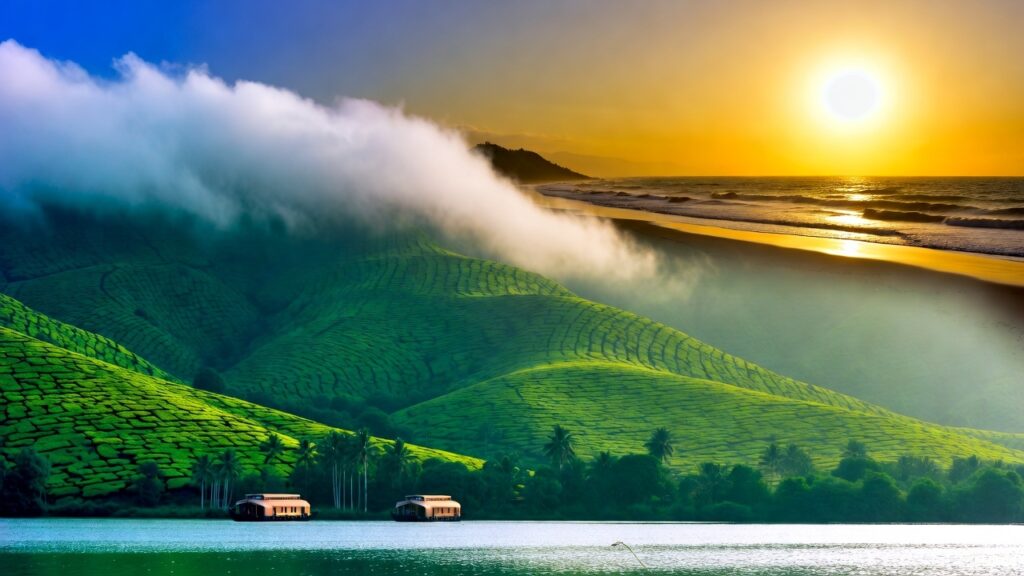
The enchanting forests, lush surroundings, slowed down environment, misty mountains, and the rustle of palm leaves, everything about Kerala is extraordinary. It is not the kind of destination where you have to rush through everything but the kind where you are asked to unwind and slow down. Preached along the southwestern coast of India, Kerala is one of the most sought-after destinations in the world.  This enchanting state is where the mountains, jungles, and sea meet and form a one long exhale of green. The climate and weather of this coastal haven sets up the mood of your entire journey. The villages besides the backwater feel astonishing in December whereas the tea gardens which are usually breezy in February become warm in April. This rhythm of climate in Kerala helps you get the best of the state and the version which suits your kind of journey the most. This is a guide to tell you all about the weather, climate and month-by-month conditions in Kerala. This can help you choose the time and month to visit according to your comfort.  Understanding the Climate of Kerala Kerala is a tropical state but the climate nuance is barely captured by those words. The entire state stretches from the beautiful highlands of Western Ghats to the Arabian Sea coast. This makes the temperature of the state dramatically vary within short distances. You can smell the spice and rain in the coastal areas and the misty air in the Ghats. Majorly, Kerala witnesses three seasons in one year: Temperatures during the year vary between 19°C and 35°C, but with a shift of wind, humidity, and rainfall constantly. In a single day, the weather can completely transform from morning being sunny and then the day ending with a pink sunset bursting through the grey clouds. The balance of these climate conditions is what balances Kerala really well. It barely gets too extreme, especially in summers since the coastal breeze softens the heat. This tropical balance is perfect for the ones who wish to engage in yoga and ayurvedic activities in Kerala, since your body starts to naturally adapt to the vibrant ecosystem of the place.  Top Things to Do in Kerala: Backwaters, Beaches & Beyond Winter Season- December to February Kerala’s winters are extremely gorgeous and the best time to explore the state. The air is dry, crisp, but not very cold. For explorers, this is the best time where the entire state feels like an open invitation and every part of it feels accessible, be it beaches, backwaters, or hills. In the months from December to February, the temperatures range from 19°C and 30°C in the entire state. The coastal towns are ideal for sunbathing and swimming while witnessing the sunset, while in the inlands the beauty of backwaters of Kumarakom and Alleppey turn more into glassy and reflective charm.  Culturally, the winter season in Kerala is the peak of festivals. With the glow of Christmas lights and the Cochin Carnival held during the year end is full of lively music, parades, and infectious celebrations. December to February are the ideal months to experience the widest variety of landscapes and activities. Summer Season- March to May Summers in this coastal heaven is like you are stepping into a slow rhythm. The build up heat starting from March ends in the month of May, but it never feels unbearable. During these months, the average temperature ranges from  24°C to 35°C, varying through different altitudes. The coastal areas are more warm and sticky while summers in the mountains are still comfortably cool.  During these months, hill stations of Kerala like Munnar, Thekkady, Vagamon, and Wayanad become the most visited places. Mornings are cooler than the daytime and foggy, afternoons are golden and sunny, while the evenings bring out a chiller side of the hills. Summers are the perfect time for coffee estate tours, lazy afternoons surrounded by forests, and tea garden exploring. Whereas the coastal regions are quieter and warmer as compared to the hills. The crowds of winter go away and the sea feels calm again. If you are someone who doesn’t get bothered by the heat, then you should definitely visit Kerala during this time of the year. The Ayurvedic treatments and therapies are extremely beneficial during this time of the month as it helps to release all the toxins and make your body sweat more.  Best Time to Visit Goa: A Month- by-Month Guide Monsoon Season- June to November Monsoons are the soul of Kerala. When the rainy season arrives in the month of June, it is not like the soft rains but they drum on rooftops and drench the entire state in green. Months from June to November are divided into two phases, the Southwestern monsoon from June to September and the Northeast monsoon in October and November. Both of them have a different character, the early time of the monsoon is forceful and dramatic with gusty winds while the later time is gentler with clear intervals and scattered rains.  April and May: The Warm Climate Days in April and May are a bridge between the calm of summers and arrival of the rains. The afternoons are warm and evenings bring relief with the cooling showers. Temperature on an average ranges between 25°C and 36°C in the entire state. The landscapes of Kerala feel unwinding and quieter, perfect for solo travelers or couples who want to escape the hustle and bustle of life. If you are a peaceful traveler and are looking for solitude, then this is the perfect time to visit.  Explore the enchanted forests of Periyar or Wayanad during the start of summers and watch the thinner vegetation and drying pools which makes the animal sightings more frequent. April and May are the underrated months of Kerala, rich in colour but full of stillness.  June and July: The Start of Rains June is the start of the Southwest Monsoon which hits the coasts and transforms the temperature of Kerala
goa
Blog, Travel

Best Time to Visit Goa: A Month- by-Month Guide

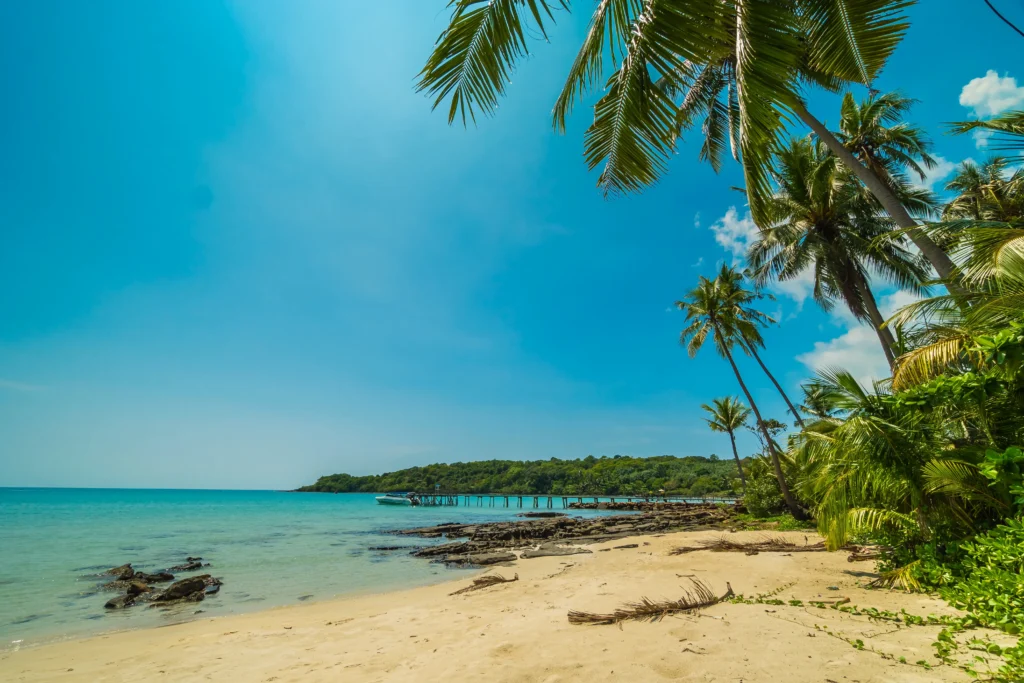
India’s most iconic beach paradise, Goa, is a mood and a rhythm that changes with every season. The Portuguese style houses, swaying palm trees, sunlit beaches, and vibrant nightlife is what makes this tropical haven worth exploring. Whether you just want to visit for the sun-drenched parties, peaceful yoga retreats by the beach, or lush landscapes, Goa has it all.  There is not just one specific best time to visit Goa. Every month here has its own charm and experiences. From the buzzing winters full of festivals to the quiet and peaceful landscapes of July rains, Goa goes through transformation throughout the year. For a curious seeker, wanderlust, and a traveler, there are endless possibilities and opportunities in this coastal state if they plan wisely.  This is a detailed guide about the best time to visit Goa that will walk you through exactly what to expect during each season of the year. Uncover the various moods of Goa and know which time makes this state feel like your kind of place.  Understanding the Seasons of Goa Before getting insights about every month, you must understand how the tropical rhythm of Goa works. The entire year is divided into three main seasons- summer, monsoon, and winters. Each season has its own charm in Goa and brings energy in their unique way.  Winter (November to February): The Golden Season Winters in Goa start from November and end in February. This time period is said to be the peak season of Goa, with unlimited festivals, packed beach shacks, live music, late night parties, etc. The weather is almost perfect with blue skies, mild temperature, and a cool breeze hovering between 20°C to 30°C. The Arabian Sea is calm with dropped humidity, so every single day feels like going and exploring the outdoors. Whether you are enjoying under the stars at Anjuna beach, exploring the architecture of North Goa, or sunbathing at the Palolem beach, Goa’s winters are the best time to have the best experience in Goa.  Winters here are full of energy, beach parties, festival celebrations, and international music festivals. The vibrant energy and adventures in Goa are unlike other states and are hard to find anywhere else. From the hippie stall to the saturday night bazaar at Arpora, everything comes alive during the winter season in this tropical state.  Summer (March to May): The Quiet Heat As the winter season fades away, Goa welcomes summers, which are humid, quieter, and hot. The daytime temperature reaches above 35°C, the sun feeling stronger as the time passes. For travelers and enthusiasts who don’t mind the heat, this is the great time to see a unique side of Goa. The early mornings and late evenings are ideal for beach walks, water sports, and exploring Portuguese villages without the tourist crowd.  There are numerous hotels and resorts that provide off season discounts and are more affordable than the time in winters. This is also one of the best time periods for wellness retreats and yoga teacher training programs. Since your body is naturally warm during this time, it is easier to absorb the wellness of the detox therapies in the body. Summers in Goa are intimate, slow, and sinking into the daily rhythm of local life.  Monsoon (June to September): The Green Soul of Goa Monsoons in Goa start from the month of June and end in September. When the rainy season starts, the entire state removes its tourist skin and turns into something very mesmerizing and breathtaking. The lush landscapes, swelled rivers, roaring sea shores, paddy field shimmer, and cool air makes exploring Goa worthwhile. This is the season for quiet nature walks, ayurvedic immersions, and eco-tourism.  If you wish to see the most mystical side of Goa, then monsoons bring out the best of the state’s local and soulful festivals such as Sao Joao. It is a festival in which the men jump into wells in order to celebrate the rains. Bonderam is another festival celebrated in Divar Island, which is a lively and vibrant carnival of traditions and colours. For seekers who love peace and slow travel, monsoon is the perfect weather to choose. You will get to experience something extremely rare, the state without crowds and the smell of wet Earth.  Month-by-month Guide to Visiting Goa Goa is a destination that delights in every season, offering a mix of adventure, culture, and relaxation. From sunny beaches and thrilling water sports to heritage walks, spice plantations, and monsoon treks, there’s always something exciting things to do in Goa. Each month brings its own charm — whether it’s festive vibes in winter, serene landscapes during the rains, or peaceful getaways in summer. No matter when you visit, Goa’s beaches, forts, vibrant markets, and laid-back atmosphere make every trip unforgettable. January: Sunshine, Festivals, and Full-On Fun January is the heart of tourism for Goa and one of the best months to explore the vibrancy of the entire state. The New Year celebrations are still full of energy and lingers on for the entire month. Especially when you wish to participate in water sports, sunbathing, or swimming, this weather is the perfect one to consider. The beachsides are full of sunbeds, cafes and shacks are alive, evenings are cool and weather is just perfect. Night life in Goa is to its fullest this month and also brings a chance to watch the sunrise/sunset near the beach.  In January, days hover 30°C, nights are cool and humidity is manageable. Imagine Goa like a postcard during this month, with calm sea, music in the air, and people spending their happiest moments everywhere. So if you are planning to explore the tropical side of this beautiful state, then visit in January. But the only catch is that this month is expensive for bookings. Book as early as possible according to the availability.  February: Still Perfect, With a Hint of Calm February continues to be the winning streak of perfect weather in Goa, light warm but not scorching

Blog, Travel

Top Things to Do in Mysore: Palaces, Temples & Cultural Delights

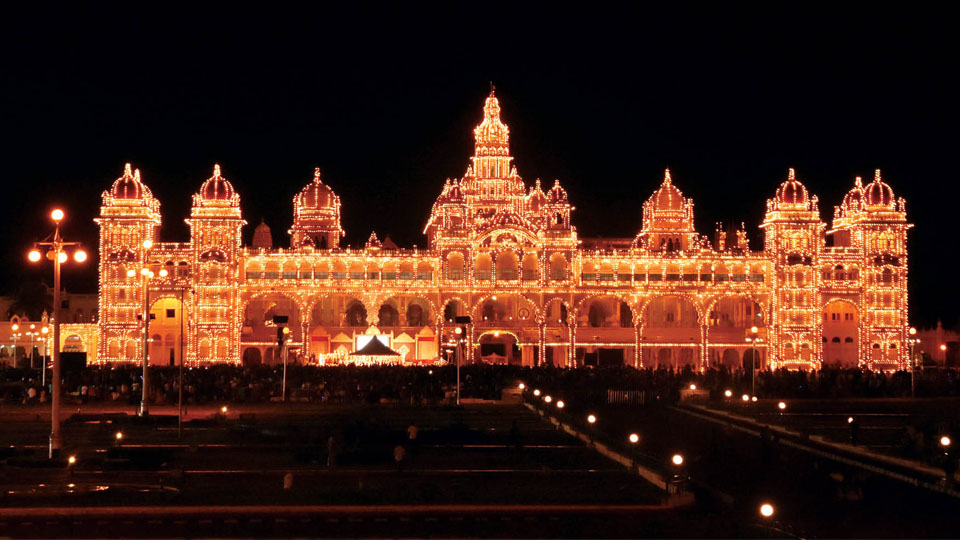
Mysore, also known as Mysuru, is a traditional city in Karnataka which feels like a living museum. It is often referred to as the Cultural Capital of Karnataka and combines the peaceful serenity with grandeur. With the bustling markets of sandalwood and silk, ancient temples filled with spiritual energy, rhythm of life, and the royal palaces reflecting the tales of the Wodeyar dynasty, this city is one of a kind in India.  Mysore is a love at first sight kind of city. With the mesmerizing old architecture and a royal heritage, this city is worth exploring especially if you are a history buff. Its relaxed atmosphere, friendly local people, and delicious cuisine will make your sightseeing worth it. In this blog, you will get to know everything you can do in Mysore. From the temples, food, festivals, and cultural delights, understand how this is not just a regular city but a special one where you can immerse yourself in its age-old traditions.  Explore the Royal Grandeur Mysore was the capital city of the Kingdom of the Wodeyars. This is the reason you can find several palaces and historical landmarks here. One of the most famous and grand landmarks is the Mysore Palace, also known as Amba Vilas Palace. It is designed in an Indo-Saracenic pattern, and is a visual feast with arches, domes, and stained glass windows. The palace was designed in 1912 by the famous British architect Henry Irwin. You can take photographs of the beautiful architecture from outside as it is restricted inside the palace. If you can, visit the palace during major festivals like Dusherra, when the palace glows with almost 100,000 light bulbs looking like nothing but a magical architecture.  Jaganmohan Palace is yet another landmark in Mysore which is equally fascinating but isn’t very popular. It was built in 1861 and is now a treasure of art collections. The palace has been turned into an art gallery which houses one of the largest South Indian art collections. Another historical landmark is the Lalitha Mahal Palace in Mysore. It is a regal architecture built in 1921 and styled after St. Paul’s Cathedral, London. The Italian marble staircases, sprawling lawns, and white domes of this palace makes it feel like entering another world. Now this palace has been turned into a luxury hotel. Even if you don’t stay here, you can enjoy the high tea or a proper meal at their restaurant and soak in the world of age-old style grandeur.  Discover the Temples of Mysore Mysore is a deeply spiritual city which is surrounded by temples and other religious landmarks, each of them holding centuries of devotion. One of the most famous temples in the city is Chamundeshwari Temple at the Chamundi Hill. This temple is solely dedicated to Goddess Chamundeshwari, who was the patron deity of the royal family of Mysore. You can easily reach the temple by road or by climbing the 1000 steps, which feels like a pilgrimage in itself. You will also encounter a Nandi statue on your way  to the temple, which is carved from a single block of granite. Once you reach the temple, you will witness the breathtaking panoramic view of Mysore city.  Another beautiful temple is the Somnathpur Temple which is nestled about 35 kilometers away from Mysore. It was built in the 13th century and is said to be a masterpiece of Hoysala architecture. The temple is dedicated to Lord Keshava, who is a form of Lord Vishnu. This star-shaped temple is also included in the UNESCO World Heritage Site list and is extremely popular for its astonishing symmetrical beauty. Immerse Deeply in the Cultural Experiences Mysore is a city where culture is deeply lived by the people living there. When you explore the city, you can easily feel the music, crafts, dance, and daily rhythm of life in you. One of the best times to be in Mysore is during its Dasara festival. It is usually celebrated in September or October and is the state festival of Karnataka. Mysore becomes a grand stage for the major cultural performances, processions, and other rituals. The royal families participate in these celebrations, Mysore Palace is lit up for 10 days every night and the grand procession on Vijayadashmi is performed. It includes the caparisoned elephants carrying the idol of Goddess Chamundeshwari with music troupes and folk dances.  Mysore has had a long tradition of Bharatanatyam dance form and Carnatic music. Along with this, it is also popular for the Mysore style painting, which includes delicate brushwork and gold leafing that is said to bring the Hindu deities to life. The cultural experiences in Mysore are very special and one of the best things you will witness during your entire trip.  Yoga and Wellness Culture in Mysore Mysore is the birthplace of Ashtanga Yoga, which is a dynamic yoga style that is physically demanding and emphasizes on breathing linked movements. This yoga style was introduced to the world by K. Pattabhi Jois and was carried across the nation by his students. Even today, this city attracts yoga enthusiasts from all over the world to practice authentic yoga.  What makes Mysore special for yoga is not just its history but the way the traditions are woven into the lives of everyone. There are many yoga destinations in the world but most of them have become commercial and offer diluted knowledge to its students. Whereas Mysore is one of the rare cities where yoga is presented in its most authentic form, which is also known as Mysore Style practice. There are many yoga schools in the city that offer Yoga Alliance certified YTT programs as well as wellness retreats in order to enhance your overall wellness. You can enroll yourself in the sessions according to the needs of your body and learn from the highly experienced instructors.  Other than the yogashalas, Mysore has a natural environment that supports wellness. You can easily find ayurvedic clinics, vegetarian cafes, nature-friendly staying options, open

Rishikesh
Blog, Travel

Unmissable Things to Do in Rishikesh: Yoga, Adventure & Spiritual Bliss

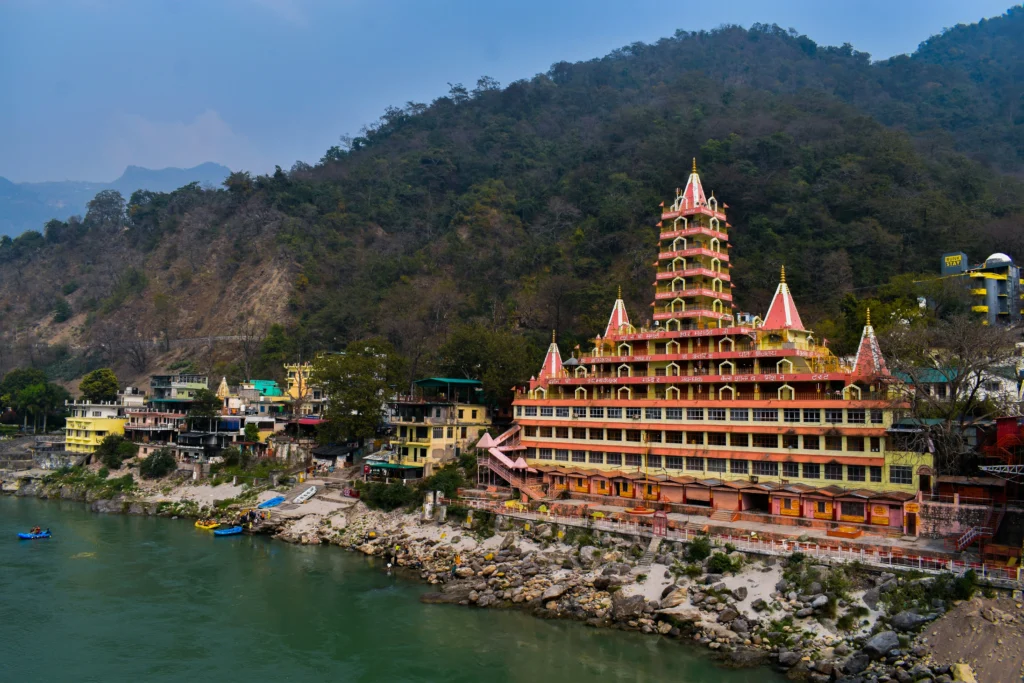
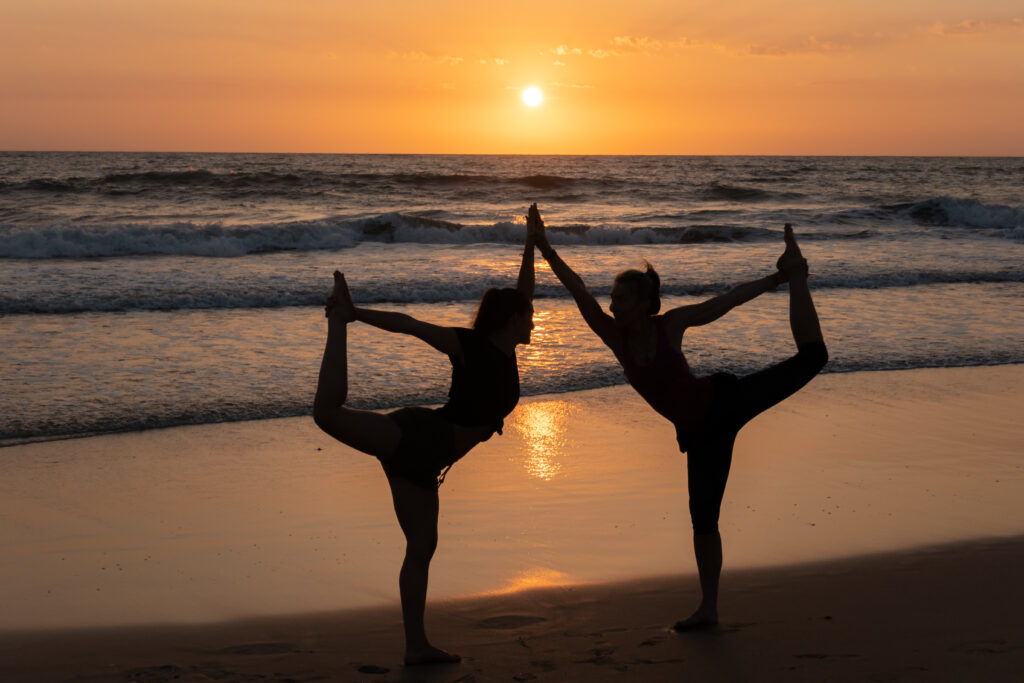
Tucked between the foothills of Himalayas and the holy river Ganges, Rishikesh is one of the most spiritual destinations to visit. It is an experience which has a magnetic pull on its seekers, explorers, and adventurers. Also known as the Yoga Capital of the World, Rishikesh is all about rivers, mountains, peace, spirituality, yoga practices, and a community of yogis who are here to slow down.  Rishikesh is a special destination that beautifully combines two different worlds. On one side, you can easily find tranquil ashrams where time is still, monks are chanting continuously sitting by the river banks, and temples where you can understand the deeply rooted traditions of India. On the other hand, you can also explore a place which excites the adventurous side of you. Strapping on life jackets while river rafting, backpacking and hiking into hidden forest trails and waterfalls, or explorers sipping masala tea in spaces overlooking the Lakshman Jhula.  You can quietly meditate while witnessing the gorgeous sunset or raft down the roaring rapids along with watching the Ganga Aarti in the evening. Whether you are here for a weekend or for a longer period of time, exploring Rishikesh will give you a unique experience and a chance to live your life fully. In this blog, there are some unmissable things to do in Rishikesh. Make sure that you are covering everything from food, culture, spirituality, to yoga, adventure and everything in between.  Immerse into the World of Yoga Rishikesh is called the Yoga Capital of the World for a reason. Wellness enthusiasts from all around the world prefer coming here to start their yoga journey or refine their yogic skills to improve their overall lifestyle. This is where people deepen their practices and learn from authentic sources.  You will see drop-in classes of yoga at every corner of the city. If you are visiting for a shorter duration of time, then enroll yourself in one of these drop-in classes to learn some beginner-friendly yoga asanas. In this way, you will be introduced to the world of yoga and can learn the basics of how yoga helps in enhancing your overall wellness. Along with the asana practices, you can join the classes which include pranayama, meditation, and philosophical teachings of yoga. This way you will get a brief idea about yoga and its importance.  Another opportunity is to enroll in a 200 hour yoga teacher training program in Rishikesh, if you are planning to stay for a longer period of time. there are a variety of yoga schools in the city which are accredited by the Yoga Alliance, USA. This means that the programs offered by these schools are certified and have met the global standards of yogic education. Yoga schools like India Yogashala are perfect if you want to learn yoga in its most authentic form combined with the modern techniques. Learn the different styles of yoga like Hatha, Ashtanga, Yin, Restorative, Iyengar, and Vinyasa from some of the most experienced yogis spending their lives here.If you are interested in teaching yoga professionally in the future, then these programs are going to be your best investment for it. Stay in beautiful, cozy ashrams and consume three sattvic meals daily along with an amazing connection with nature. You can also learn mantra chanting, ayurvedic practices, and have a disciplined routine.  Experience the Bliss of Ganga Aarti In Rishikesh, every evening you can experience the unforgettable energy, with the sun setting behind the Himalayas and the banks of river Ganga getting ready for its famous Ganga Aarti. One of the most famous places where this spiritual aarti takes place is Parmarth Niketan. It is also the largest ashram in Rishikesh and is extremely famous amongst tourists. Another place which is popular for its Ganga Aarti is Triveni Ghat. Just before the actual sunset, hundreds of people gather along the ghat and sit quietly for the rituals of the Aarti. The air fills with the sound of bells and devotional chanting. The priests performing the Aarti are dressed in saffron robes, holding large diyas.  There is no need to be extremely religious to feel the energy of this ritual. The firelight starts dancing on the water and the rhythmic chanting fills the entire ghat in the most mesmerizing way. Locals bring flowers or diyas so that they can float on the river. You can feel the vibration of the mantra chanting and have the most unforgettable time of your life.  River Rafting on the Ganges For the seekers of adrenaline, Rishikesh is one of the best destinations to explore. The white water rafting on the Ganga river is a playground for every adventure lover. Imagine you being surrounded by the big Himalayan foothills, cold spray hitting your face and the roar of the rapids in water echoing everywhere. This is the feeling rafting gives you in Rishikesh.  The Iconic Bridges- Lakshman Jhula and Ram Jhula Ram jhula and Lakshman jhula are two suspension bridges which span the Ganges. These are not just random river crossings but have been woven into the culture, tradition, and history of Rishikesh. Lakshman jhula is named after Lord Lakshman who crossed the river Ganga using just the jute ropes here. To honor it, a hanging bridge was built in 1929, which later became an important part between the two sides of Rishikesh. You can find multiple temples and yoga schools near the jhula to explore and connect with the history of the city.  Another iconic bridge is the Ram Jhula in Rishikesh. It was built in the 1980s and connects the Sivananda Ashram and Swarg Ashram areas with vibrant markets near Muni ki Reti. while crossing the Ram Jhula, you might share the walkway with the monks in saffron robes and the cows and monkeys eying on the edibles. These bridges are not just a structure but metaphors for what this city represents.  Hidden Waterfalls and Nature Trails Apart from the yoga and spiritual energy, you will notice that Rishikesh

things to do in goa
Blog, Travel

Best Things to Do in Goa: Sun, Sand, and Adventure Awaits

The first thought when you think of Goa usually is about the shimmering beaches, gently swaying palm trees, vibrant shacks by the Arabian Sea and its party culture. But apart from all of this, Goa is also known as the melting pot of deep yogic practices which attracts thousands of wellness enthusiasts from every corner of the world.  This small state in India is a place where colorful churches are nestled alongside the beautiful temples, where the retreats and YTT programs exist with the all-night rave parties at the beach and the bustling markets with fresh seafood. The ability of this coastal paradise to offer different versions to every explorer is what makes it truly special and unique. If you wish for relaxation and unwinding yourself, then the tranquil beaches of South Goa are the best option to consider. If you are a party lover and like to experience the bustling crowd of tourists in Goa, then the North side is the ideal place for you to stay.  Read this blog to get the exact guide about the best experiences in Goa and what will help you explore the hidden gems of this destination. By the end of this blog, you will understand why this coastal haven continues to charm travel enthusiasts from all over the globe and why it is different for every individual.  Enjoy your Evenings with the Intimate Goan-Portuguese Culture The soul of Goa is not only in its beaches or its bustling market, but it resides deeply in the music and its culture. While most of the travelers think of this state for its sunset DJs and trance beats by the beachside, the deeper way to understand its real culture is to experience an evening wrapped in the Fado and Mando melodies. Head to the capital of the state, Panaji, where every cultural space, especially the Centre for Indo-Portuguese Arts (CIPA) will feel like a beautiful artwork.  If you wish to understand the culture and traditions of Goa, then spend time in Panaji’s Heritage Home Experiences which host cultural evenings featuring their famous band Entre Nous. Their performances feel like stepping into a museum that not just exhibits songs but also invites you to join it. The Goan heritage is so much more than just beaches or parties, and you will start realizing that after you’ve spent time in the cultural programs hosted here.  Explore the Architectures of Old Goa Image Source: itvarastays Old Goa used to be the grand capital of Portuguese India and was referred to as the Rome of the East. Here the skyline is full of domes, facades, and towing spires which reflect the influence of Europe in Asia. Old Goa is also a UNESCO World Heritage Site and when you enter it, it will feel like you stepped into another era. They have Baroque alters, sweeping courtyards, and red laterite stores that reflect the stories of conquest, devotion, and faith. Visit the Basilica of Bom Jesus here, which was built in 1605. It is one of the iconic architectures in Goa and is famous for holding the mortal remains of St. Francis Xavier.  Exploring Old Goa is a treat for history buffs and enthusiasts as it beautifully combines the spirituality, art, and culture of the Goans. There are many churches still holding daily mass, which gives the travelers an opportunity to see the living spaces of worship rather than seeing a monument. Old Goa provides a glimpse of every chapter of Goan history and is as powerful and impacting as the beaches of Goa.  The Night Life of Goa Goa’s nightlife is one of its major attractions for tourists. When the sun sets into the Arabian Sea, the beachside becomes extra lively and trades their lowkey calm for a vibrant burst of energy. Suddenly everything and everyone takes on an entirely new character at night. When you are along the North side of the coast, the nightlife reflects neon lights, trance music, and dance floors that don’t stop until dawn.  But this vibrant nightlife is not only about the big clubs of Goa but also about the unique and quirky experiences that you will not find anywhere else. In South Goa, the silence of Palolem beach’s silent disco nights is a perfect way to blend in with the strangers without compromising your taste in music. The beach shacks come to life at night and their jazz nights become people’s favourite attraction. You can either lose yourself in a jam packed club or simply listen to the calming live music as the cool breeze carries the soothing sound.  Participate in the Adventurous Activities Goa is a paradise for adventure lovers and for someone seeking thrill in life. The vast Arabian Sea gives an open invitation to dive into sea adventures, especially if you are an adrenaline junkie. Imagine parasailing at the Baga beach or Candolim, or going beneath the surface in the Grande island and Bat island. Kayaking is another adventure activity which you can explore in Goa at a slower pace. Pad through the mangroves of Chapora River and witness the beauty of this coastal paradise.  Apart from the water adventure sports, you can also try jet skiing and banana boat rides which are the staple in every touristy beach. Try white water rafting if you wish to do something more than ordinary during the monsoon season. Bungee jumping at Anjuna beach or trekking into the mist-covered trails of Western Ghats is also another set of adventures you can be a part of.  Be a Part of the Monsoon Festival in Goa Image Source : scroll A majority of the tourist crowd think that Goa is a winter destination, but if you discuss with the locals you will realize that the monsoon season brings out the true magic of this state. Here the rains transform this paradise into a completely green landscape which also includes a lineup of interesting and vibrant festivals. These festivals and religious celebrations reflect the true

Top Things to Do in Kerala
Travel, Blog

Top Things to Do in Kerala: Backwaters, Beaches & Beyond

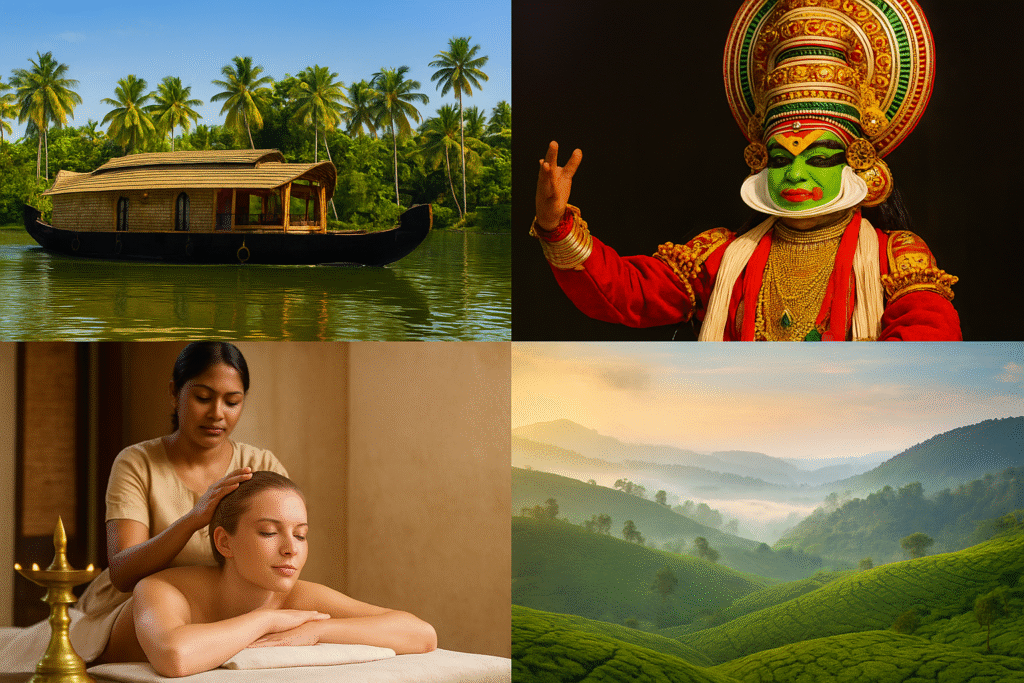
Globally known as God’s Own Country, Kerala is one of the most sought-after destinations, especially amongst wellness enthusiasts. From palm-fringed beaches, mesmerizing backwaters, mist-covered rolling hills, to dramatic cliffs, rich culture, and fields of tea plantation, this nature’s haven offers a little bit of everything. This is not just any travel destination but an experience that lets you feel its rhythm and unfolds slowly. It is the welcoming nature and warmth of people, the feel of soft and shiny sand between your feet, and the fresh smell of the spices. This coastal state is also the place where cultural traditions are followed deeply by the locals. You can watch Kathakali performances at night and then wake up in a houseboat the next morning itself. From various options of accommodations to ancient temples and wildlife reserves, Kerala offers everything one can need while vacationing. In this blog, you will be exploring some of the best things to do in Kerala which includes hidden gems and cultural explorations as well.  Cruise in the Backwaters of Alleppey and Kumarakom Imagine watching the beautiful sunset from your houseboat gliding along the mesmerizing backwaters of Alleppey. No trip to Kerala is considered complete without experiencing the backwaters. They are a network of lagoons, rivers, and canals stretched along the entire state. The ones in Kumarakom and Alleppey are the most famous backwaters in the state.  Being a quintessential experience of Kerala, houseboat stays are a top attraction for numerous tourists. These floating rooms are available in different sizes and shapes depending on your choice. From the luxurious vessels to the rustic and authentic boats, you can find every kind of houseboat in Kerala. You will have the facility of consuming freshly home cooked authentic meals which gives you the true taste of Kerala.  Other than the backwaters, you can also hire a canoe and let the locals row your boat through the smaller channels where your houseboat can’t reach. Through this, you will be able to get a closer look of the daily lives of villagers in the state and how sustainable living benefits people. From women washing clothes by the banks, farmers in the paddy fields, and children waving, these villages are warm and welcome tourists to have an authentic experience of life. Unwind on the Beaches of Kerala The coastline of Kerala is stretched for more than 500 kilometers and has breathtaking beaches which are unique in their own ways. Whether you are looking for the vibe of beachside cafes, thrill of the ocean or the quiet hidden coves, Kerala has it all.  Kovalam Kovalam is amongst one of the most popular beaches in Kerala and majorly known for its crescent shaped shoreline and lively atmosphere. This place is ideal for enjoying fresh seafood along the beachside, surfing, and ending the day with breathtaking sunsets that paints the sky pink.  Varkala Varkala is yet another popular as well as beautiful beach in Kerala, majorly known for spirituality and leisure. The dramatic cliffs which fall into the sea and the relaxed atmosphere makes it ideal for yoga and other wellness practices. This particular beach is mostly preferred by backpackers and yoga enthusiasts who are also looking for ayurvedic therapies as well as overall healing. The beachside cafes and shacks along the cliffside have amazing views of the Arabian Sea and are ideal for relaxation.  Marari and Beyond If you are someone craving for solitude and silence, then Marari beach is the ideal place for you. With a sleepy stretch of sand, it is ideal for hammocks under palms, catching beautiful sights of fishermen mending nets, and peaceful long walks. Explore the Hill Stations of Kerala Along with beaches, ocean, and dramatic cliffs, Kerala is also full of lush mountain ranges, mist-covered forest trails, waterfalls, and abundance of flora and fauna. Because of the Western Ghats running through the entire state, the hill stations here are cool and serene, perfect for an escape from the beachside energy. The cascading waterfalls, trekking trails, and greenery of tea gardens are the highland getaways of Kerala which offer peace and solitude.  Munnar Munnar is one of the most famous destinations in Kerala, majorly known for its tea plantation. The rolling field of green patterns and faint aroma of fresh tea leaves makes this place extremely special. You can visit a tea plantation to learn how leaves are plucked and processed here. Apart from this, you can also hike through the Eravikulam National Park where you might get a rare sight of the Nilgiri Tahr. You should not miss visiting Mattupetty Dam if you are in Munnar as it is ideal for boating.  Wayanad Wayanad is extremely popular for cascading waterfalls, tribal culture and mist-covered forests. You can trek through the green forest trails to reach Edakkal Caves or simply relax by the Meenmutty Waterfalls. Wayanad also has an abundance of spice plantations where you can take tours amongst the plantations of cardamom, coffee, and pepper plants. If you like adventure, then trekking up to Chembra Peak is also one of the best options for you. Spend some time in the calmness of Pookode Lake or explore the jungle trails hidden around it.  Vagamon Vagamon is a hidden gem and is much quieter than Wayanad or Munnar. With the beautiful rolling meadows, adventurous activities, and pine forest areas, this destination is perfect for someone who wishes to stay closer to nature and also have a dash of thrill. Vagamon feels like a retreat and is an escape from the mainstream tourist crowd. You can also explore the breathtaking meadows and visit the Kurisumala Hill, which has sweeping views of the valley.  The Cultural Treasures of Kerala The cultural aspect of Kerala is as diverse as its landscapes. From traditional dances to grand festival celebrations, the entire state celebrates everything in colorful ways. The age-old culture with modern touch here is deeply rooted and alive in the lives of locals, which offers a chance to visitors to experience authentic

Scroll to Top