Mandukasana (Frog Pose): Steps, Benefits, and Practice Tips
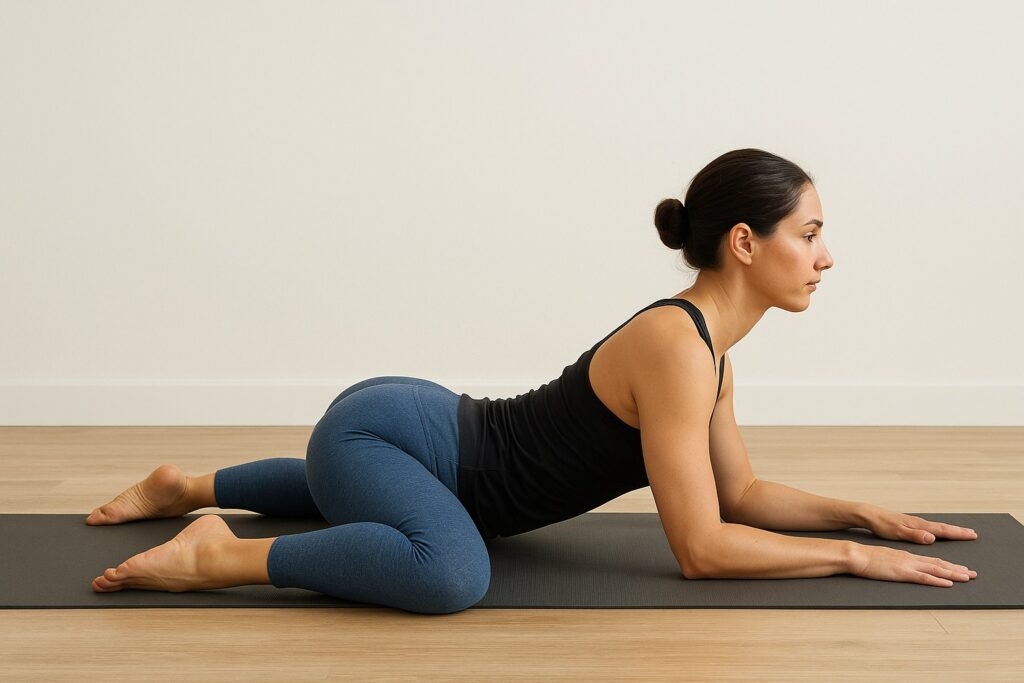
I’ve been practicing yoga for years now, and one pose that has truly transformed my hip flexibility is Mandukasana, commonly known as Frog Pose. The name comes from the Sanskrit word “Manduka,” which means frog—and when you’re in this pose, you’ll understand exactly why. Your body mimics the wide-legged, grounded posture of a frog resting on the ground. What I love about Mandukasana is how accessible yet challenging it is. It’s become incredibly popular in modern yoga practices because of its powerful hip-opening qualities. Whether you’re working on flexibility, pelvic mobility, or just trying to undo hours of sitting at a desk, this pose delivers. The best part? Almost anyone can practice it. I’ve seen complete beginners ease into modified versions, while advanced practitioners push deeper into the stretch. It’s truly a pose that meets you where you are. How to Do Mandukasana: Step-by-Step Guide Preparatory Steps Before I dive into Frog Pose, I always make sure my body is properly warmed up. Trust me, attempting this on cold muscles is not a pleasant experience. I typically start with some gentle hip rotations, moving my hips in circles to wake up the joints. Then I’ll spend a few minutes in Butterfly Pose, letting my knees drop to the sides while I breathe into my hips. Cat-Cow stretches are also essential—they warm up my spine and pelvis, preparing my body for the deeper opening ahead. The golden rule I follow: never rush into Mandukasana without warming up. Your hips and knees will thank you for the preparation. Step-by-Step Instructions Step 1: I begin on my yoga mat in tabletop position—hands directly under my shoulders, knees under my hips. This is my stable starting point. Step 2: Slowly, I begin to widen my knees. I move them apart as far as feels comfortable, not forcing anything. Some days I can go wider than others, and I’ve learned to honor that variation. Step 3: I make sure my ankles are aligned with my knees, and I flex my feet so my toes point outward. This alignment is crucial for protecting my knee joints. Step 4: Depending on my flexibility that day, I’ll either lower down onto my forearms or, if I’m feeling more open, bring my chest closer to the mat. I never force myself to go lower than my body allows. Step 5: Here’s where the magic happens—I engage my core slightly to support my lower back, then consciously relax my hips, allowing gravity to do the work. I’m actively passive, if that makes sense. Step 6: I hold the final position, wherever that is for me, and focus on my breath. Deep, steady inhales and exhales help me soften into the stretch rather than fight against it. Step 7: To release, I very slowly walk my hands forward, shift my weight, and gently bring my knees back together. I never rush this exit—it’s just as important as entering the pose. Also Read: The Basics of Hatha Yoga: 10 Classic Poses for Strength and Balance Common Mistakes to Avoid I’ve made plenty of mistakes with this pose, especially when I was eager to go deeper faster. One major error I see often is dropping into the lower back. When I let my spine sag, I lose all the benefits and risk hurting myself. Overstretching the knees is another trap I’ve fallen into. If my knees start to hurt—not just stretch, but actually hurt—I know I’ve gone too far. I’ve learned to respect that signal. Collapsing my chest or shoulders used to be my default, but I realized it compromises the pose’s integrity. Now I focus on maintaining length through my spine, even when I’m folded forward. And here’s something I do unconsciously when uncomfortable: holding my breath. I have to consciously remind myself to keep breathing. The breath is what allows the opening to happen. Modifications & Variations When I’m teaching beginners or when my own hips are particularly tight, I always suggest using props. Placing cushions or folded blankets under the knees makes a world of difference. It reduces pressure and allows you to stay in the pose longer without discomfort. Half Frog Pose is my go-to recommendation for newcomers. Instead of widening both knees, you keep one leg extended behind you. This allows you to experience the hip opening on one side without overwhelming your body. For those days when I want to go deeper, I use blocks under my chest. This advanced variation allows me to sink my hips lower while maintaining proper upper body alignment. During my pregnancy, I practiced a wide-knee supported version with lots of bolsters. It gave me the hip opening I craved without putting pressure on my belly. Always listen to your body and consult with a prenatal yoga instructor if you’re expecting. Also Read: Top 10 Best Sitting Yoga Asanas Images With Names: A Complete Guide Benefits of Mandukasana Physical Benefits I cannot overstate how much Mandukasana has improved my hip joint mobility. After years of sitting at a desk, my hips were locked up tight. This pose has been instrumental in restoring movement and freedom to that area. The stretch I feel in my inner thighs, groin, and pelvic muscles is intense but incredibly satisfying. These are areas we rarely stretch in daily life, and Mandukasana targets them all at once. My overall lower body flexibility has improved dramatically since incorporating this pose into my practice. I notice the difference when I walk, run, and even just move through my day. What surprised me most was how it strengthened my glutes and core. While it’s primarily a stretch, maintaining proper form requires significant muscular engagement. My posture and spinal alignment have improved as a result. Therapeutic Benefits On days when my lower back is tense from stress or poor posture, Mandukasana provides genuine relief. The hip opening indirectly releases tension that radiates into the lower back. I’ve spoken with many women who swear by this pose for menstrual discomfort. While I