Sun Salutation or Surya Namaskar is a graceful flow of twelve yoga asanas which combine proper movement, body awareness, and controlled breathing. It is more than just a fixed sequence of yoga and is practiced during the sunrise facing the sun. It pays homage to the sun’s life-giving energy while being a complete physical workout for mind, body, and spirit.
Surya Namaskar is deeply grounded in the age-old traditions of India and is also culturally practiced throughout the nation as a sign of gratitude to the sun. If you have ever attended a yoga class, then you must know the importance of practicing surya namaskar daily. It is also used as a warming sequence for your body which prepares you for advanced level asanas. Most people practice this asana without knowing the actual meaning for it or understanding the richness of these poses. In this blog, you will be going to study all 12 yoga postures of Surya Namaskar and how they benefit your body.
The Philosophy Behind Surya Namaskar
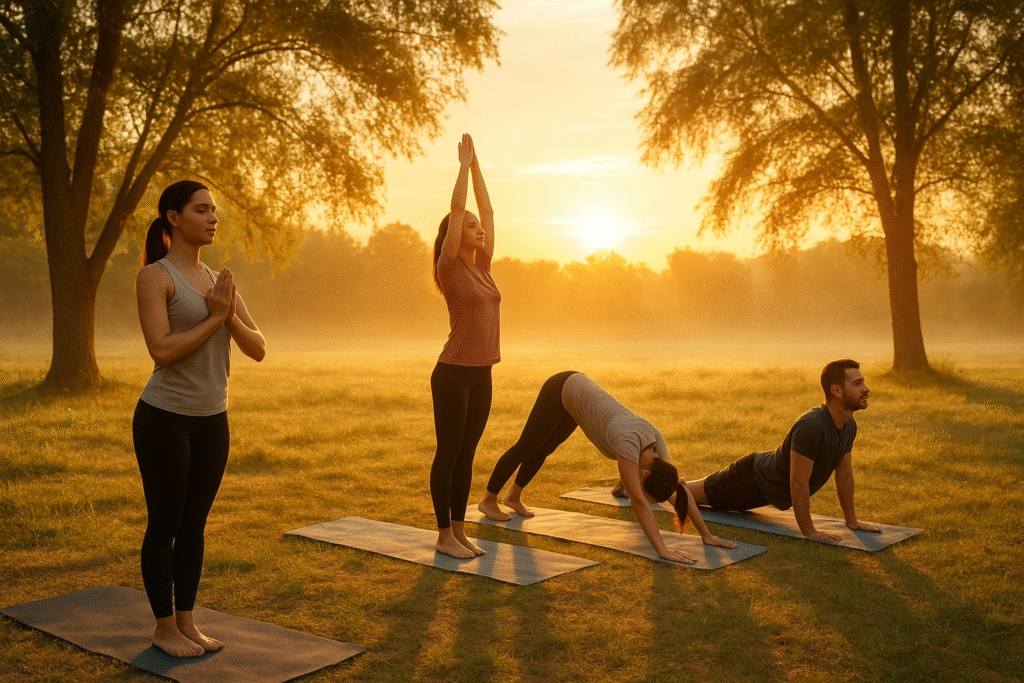
Let us understand the reason behind the existence of Surya Namaskar, before jumping into the physical practice. In Sanskrit, surya refers to the sun and namaskar means to bow down or salute. Many ancient yogis believed the sun as the ultimate source of energy and life on Earth. This is the reason why surya namaskar is considered to be the best way of showing respect and gratitude to this vitality source.
On a much deeper level, Sun Salutations are ideal for aligning your body’s inner rhythm with nature’s cycle and energy chakras to maintain the balance. Practicing this during dusk or dawn can balance the energies of your body with the sun, which will ultimately help you align perfectly with the outer world. Spiritually, surya namaskar is not considered as a moving meditation that calms your mind and helps you think with clarity.
How Surya Namaskar Works
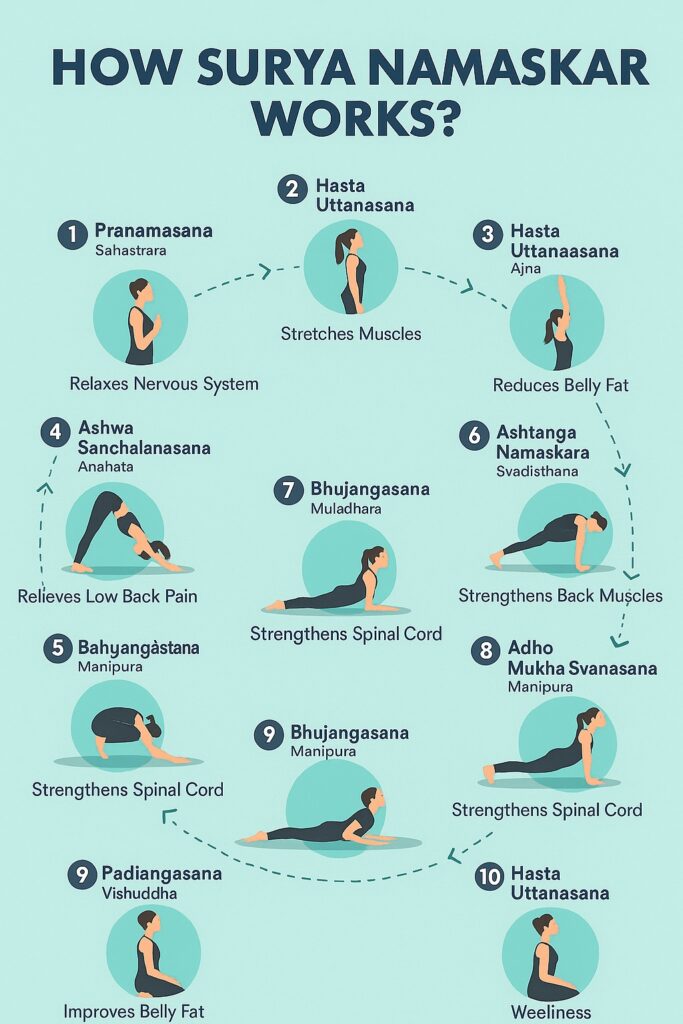
Surya Namaskar has twelve postures which includes stretches and it strengthens as well as activates the different muscle groups in your body. It stimulates your organs and energy channels with the assistance of synchronized breathing. Every movement is tied to retention, inhalation, or exhalation. The results of this is a flowy and rhythmic sequence that oxygenates the blood and massages your internal organs.
- One complete round of surya namaskar consists of 12 yoga asanas.
- Traditionally, a full practice is considered when 12 rounds, 6 with the right leg stepped back and 6 with the left leg stepped back is performed.
- This becomes 288 poses in one session providing you a balanced and intense physical practice of asanas.
10 Amazing Benefits of Vinyasa Yoga for Mind and Body
The 12 Asanas of Surya Namaskar: Step by Step guide for every pose
Pranamasana (Prayer Pose)
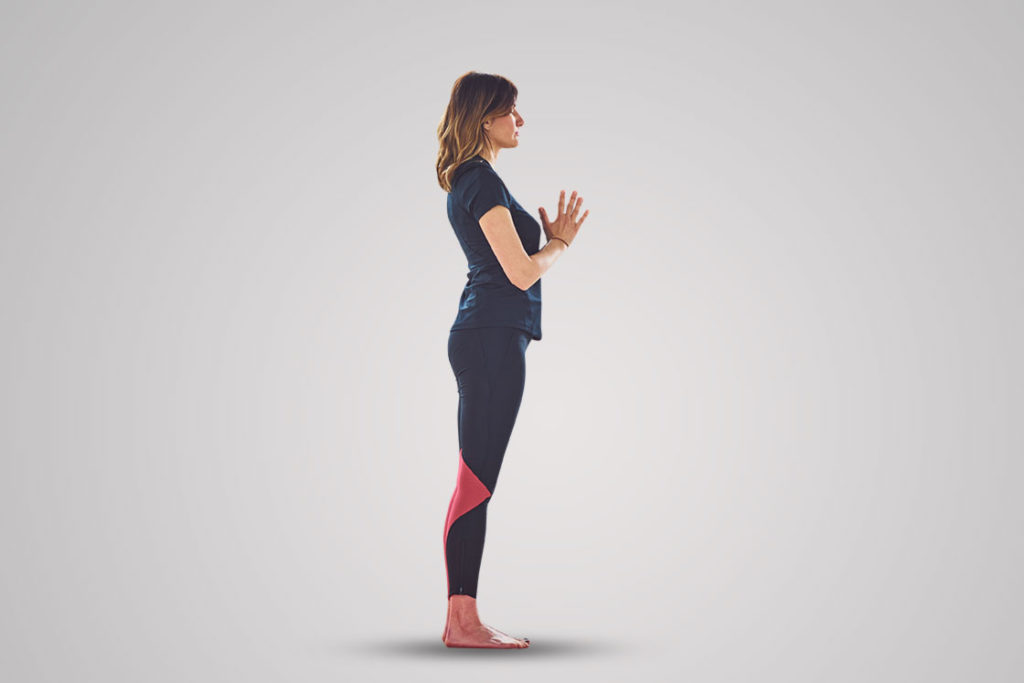
The Prayer pose or Anjali Mudra is the primary asana which marks the beginning and the end of Surya Namaskar. It is an asana of awareness and humility and is said to be a gesture of greeting people according to the Indian traditions. Pranamasana creates a grounding effect in your body which prepares you for the rest of the sequence.
How to do it
- Stand straight with your feet together and spine tall.
- Put your palms together at your chest’s centre in a prayer mudra.
- Relax your shoulders and arms while closing your eyes.
- Take deep breaths, allow yourself to soak in the rhythm of nature and settle the awareness inwards.
Benefits
- Provides a centered state of mind and calmness.
- Improves overall balance and helps you understand body alignment.
- Reduces mental stress and fosters better focus.
- Reconnects you with yourself, mindfulness, and good intentions.
Hasta Uttanasana (Raised Arm Pose)
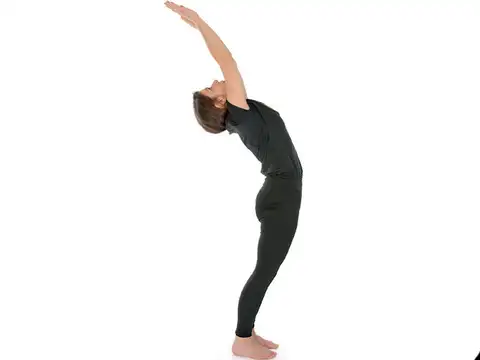
Hatha Uttanasana, also known as the Raised Arm Pose, is helpful in stretching your upper body completely. The pose refers to reaching upwards in order to absorb the positive energy from the sun. Consistent practice of this asana can help in expanding your chest muscles and energizing your spine completely.
How to do it
- From the first asana, inhale and stretch your arms completely in the upward direction, over your head.
- Keep your arms close to your ears as you bend your upper back.
- Push your hips slightly forward and lift your chest.
- Engage your core in order to protect your lower back.
Benefits
- It helps in opening your chest and improving your breathing synchronization.
- Stretches your abdominal organs and fixes digestive issues.
- Improves spinal flexibility and strength in the shoulders.
- Boosts your energy levels and uplifts a positive mood.
The Basics of Hatha Yoga: 10 Classic Poses for Strength and Balance
Padahastasana (Hand-to-Foot Pose)
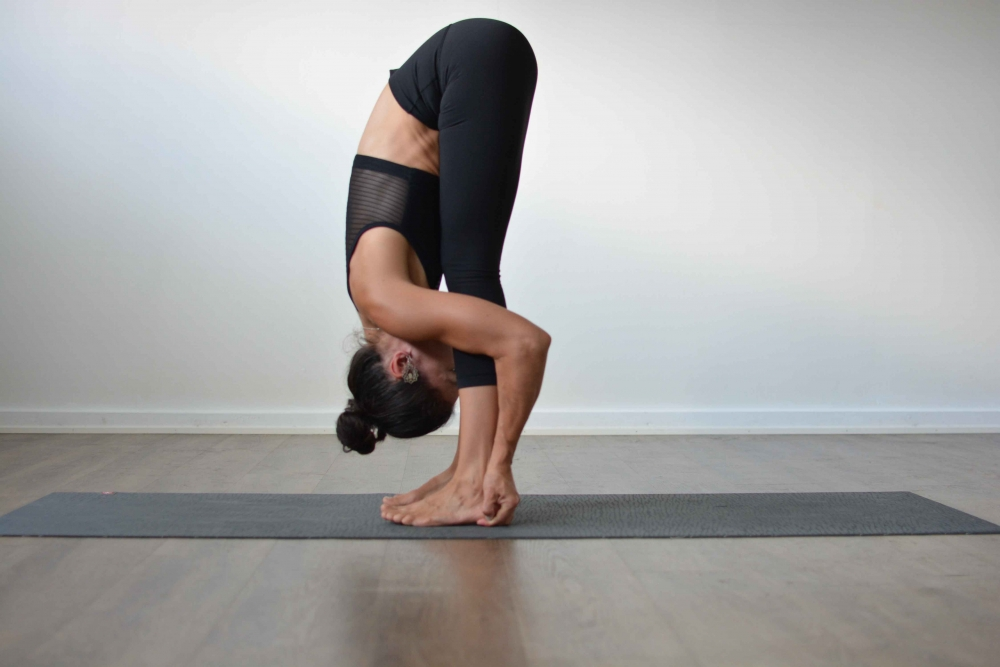
The hand to foot pose or Padahastasana is the third pose of the Surya Namaskar sequence. It is a forward fold which focuses on surrendering and release. It helps you to create both mental as well as physical grounding in life.
How to do it
- From Hasta Uttanasana, exhale and bend in the forward direction from the hips while keeping your back straight.
- Now, place both the palms beside your feet or you can hold your ankles in case the floor feels far from reach.
- Keep both the legs straight and avoid locking your knees.
- Now let your head hang downwards naturally towards your knees.
Benefits
- It stretches your calves, spine, and hamstrings.
- Improves blood flow to the brain and refreshes your mind.
- Relieves unnecessary tension in the lower back and neck area
- Fosters calmness, enlightenment, and mental clarity.
Ashwa Sanchalanasana (Equestrian Pose)
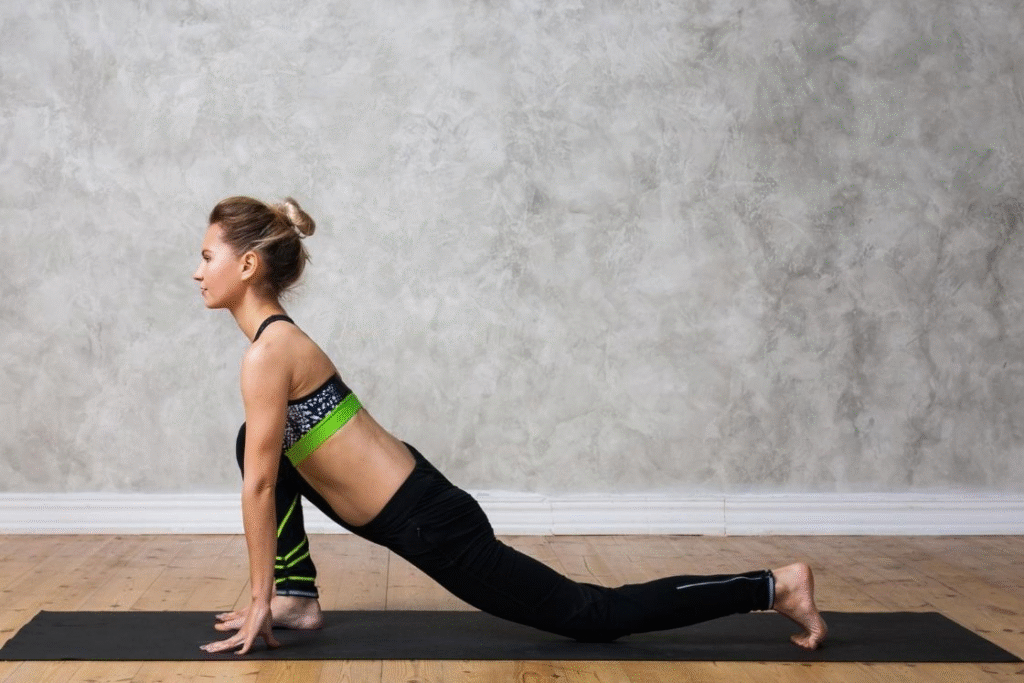
The Equestrian pose or Ashwa Sanchalanasana is the fourth posture of the Sura Namaskar series. It symbolizes readiness and strength. It helps in opening your chest, strengthening your legs, and activating the root chakras. It prepares you for the dynamic movements ahead.
How to do it
- From Padahastasana, inhale deeply and step your left leg back.
- Keep your knee bent at 90 degree angle and left foot grounded.
- Place your fingertips near your left foot in order to balance your body and make sure to keep your back arched a bit. Place your fingertips beside the left foot for balance.
- Now adjust your thighs and engage in balancing in order to even out your body weight. Lift your chest and look ahead.
Benefits
- It strengthens your legs and opens up hip flexors.
- Improves the flexibility of your spine and posture.
- Improves the digestive organs and fosters better focus as well as stability.
- Activates root chakras and keeps you grounded.
Dandasana (Stick Pose / Plank Pose)
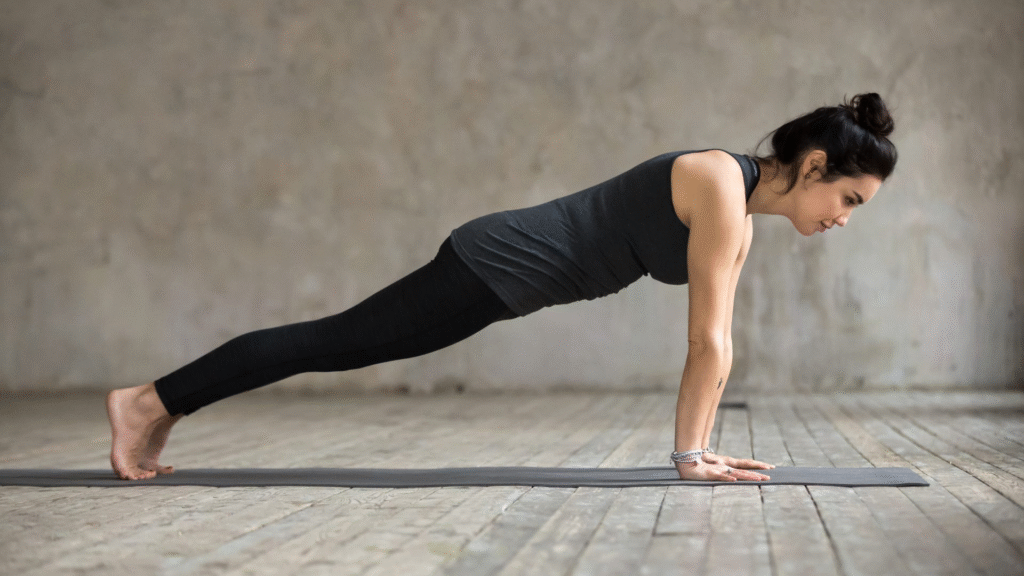
Dandasana is also referred to as the plank pose or stick pose. It is considered to be a full body strength builder and requires good muscular endurance. It might look simple but it demands body awareness and consistent practice.
How to do it
- From the Ashwa Sanchalanasana, exhale and put your right leg back, while bridging your entire body into a straight plank position.
- Keep your wrists under your shoulders, core completely engaged, and arms tight and strong.
- Keep your upper body aligned and maintain a straight line from head to toe.
- Make sure you have relaxed your neck completely, your back is straight and your core is engaged.
Benefits
- This pose strengthens your core, arms, and shoulders.
- It enhances mental stamina and fosters stability.
- Builds endurance and improves overall balance
- Helps your nervous system to calm down.
How to Start Teaching Yoga: Tips for New Instructors
Ashtanga Namaskar (Eight-Limbed Pose)
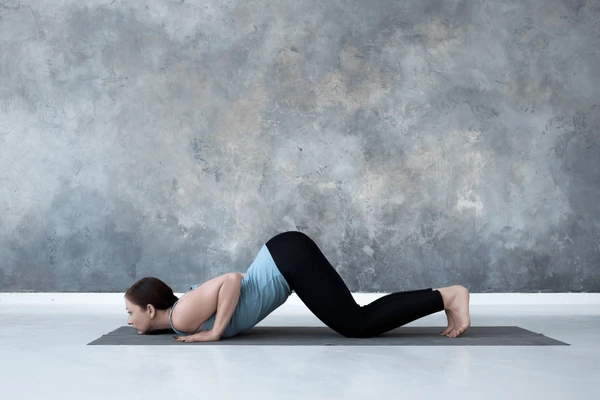
The Eight Limbed asana or the Ashtanga Namaskar signifies full devotion. With the help of eight points of contact; feet, knees, chin, hands, chest, your body surrenders completely and reminds you that your strength lies in humility.
How to do it
- From Dandasana, exhale deeply and lower both the knees to the mat.
- Rest your chin on the floor while keeping your hips lifted.
- Ensure that your knees, hands, and chest are touching the ground properly.
- Hold your posterior in the air and elbows close to the ribs.
Benefits
- This pose helps in improving flexibility in the spine and neck.
- It strengthens your upper body, especially shoulders and arms.
- It massages abdominal organs and stimulates better digestion.
- Fosters grounding and humility in you.
Bhujangasana (Cobra Pose)
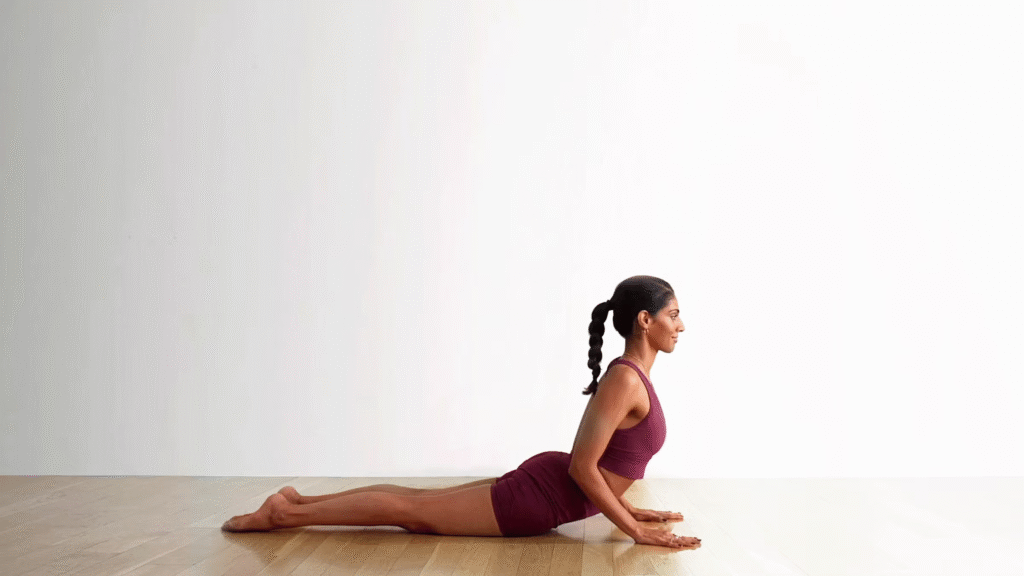
The Cobra pose or Bhujangasana signifies rising above all the challenges coming your way and pushing yourself to do better. Just like how a cobra lifts up his cover, it represents resilience and awakening of your inner self. Physically, it is a gentle asana ideal for strengthening your spine as well as opening your heart.
How to do it
- From Ashtanga Namaskar asana, inhale deeply and slide your body in the forward direction.
- Now, press both the palms under your shoulders.
- Lift your chest and ensure that your legs and hips are on the floor.
- Roll back your shoulders and gaze in the upward direction gently.
Benefits
- This pose strengthens your spinal cord and opens up the chest completely to improve breathing.
- It enhances flexibility and reduces overall fatigue.
- Stimulates abdominal organs and also helps in weight management.
- Eases the symptoms of asthma and boost proper blood circulation in your body.
Adho Mukha Svanasana (Downward Facing Dog Pose)
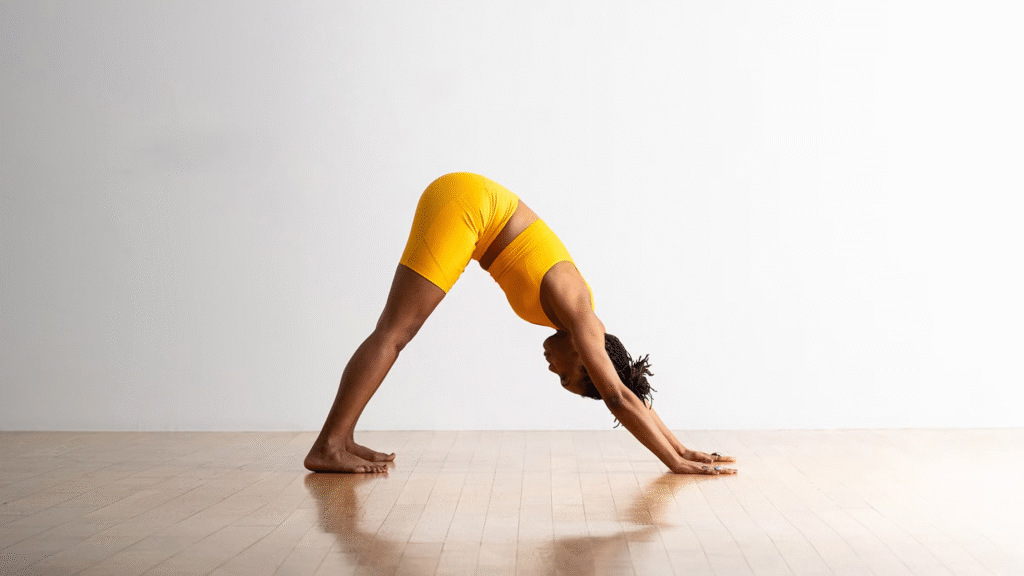
Adho Mukha Svasana is the seventh asana of the surya namaskar sequence. It forms an inverted V-shape pose which often provides internal grounding and rejuvenation. It helps in balancing your flexibility and strength along with calming your nervous system.
How to do it
- Exhale and lift your hips towards the ceiling while tucking your toes.
- Keep your arms and legs straight and press heels gently on the floor.
- Now, ensure that your spine is straight and long and your head is between both the arms.
- Balance out your body weight evenly between both the hands and feet to properly align yourself.
Benefits
- It helps in stretching your calves, shoulders, and hamstrings.
- Strengthens your core, arms and legs.
- Improves blood circulation in your body and reduces fatigue.
- Relieves mental tension and calms your mind.
Ashwa Sanchalanasana (Equestrian Pose – Left Leg Forward)
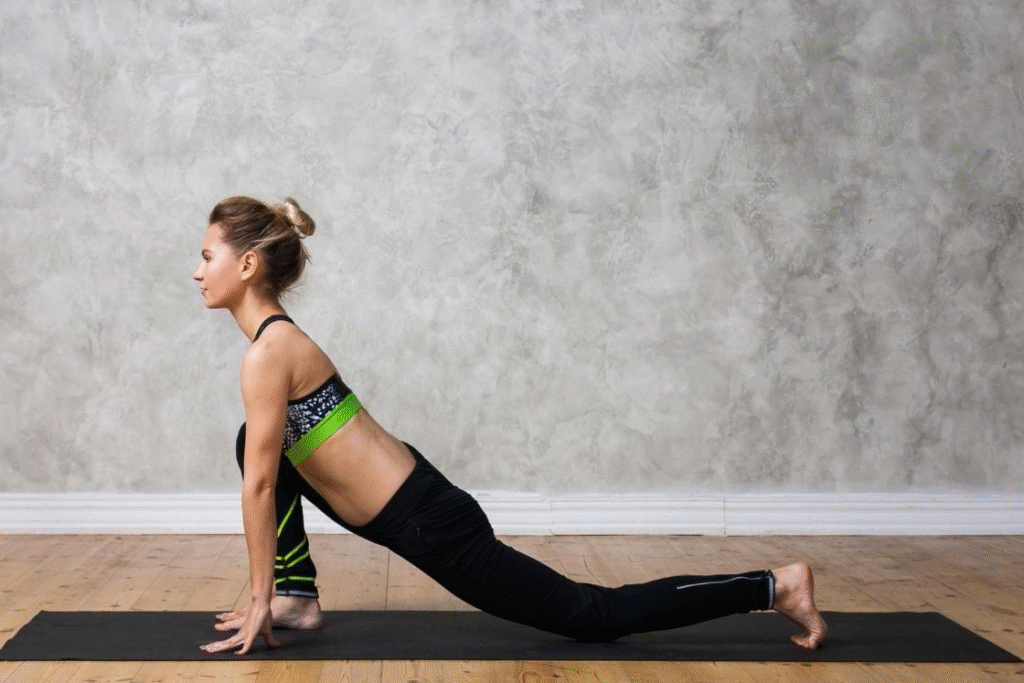
This is the same asana as the fourth one but with the opposite leg. Ashwa Sanchalanasana helps in balancing the stretches of your overall body and prepares it for ending the sequence.
How to do it
- Inhale deeply and put your right leg in the forward direction between your hands.
- Now keep your left leg behind and toes tucked.
- Lift your chest and look in the forward direction.
- Balance your body weight between both your hands and legs to properly align yourself.
Benefits
- It improves overall balance and hip flexibility.
- Regulates proper blood flow and massages the abdominal organs.
- Supporting digestions boost the capacity of lungs and fosters better concentration.
- Aligns your body for returning into the final asanas of the sequence.
Padahastasana (Hand-to-Foot Pose)
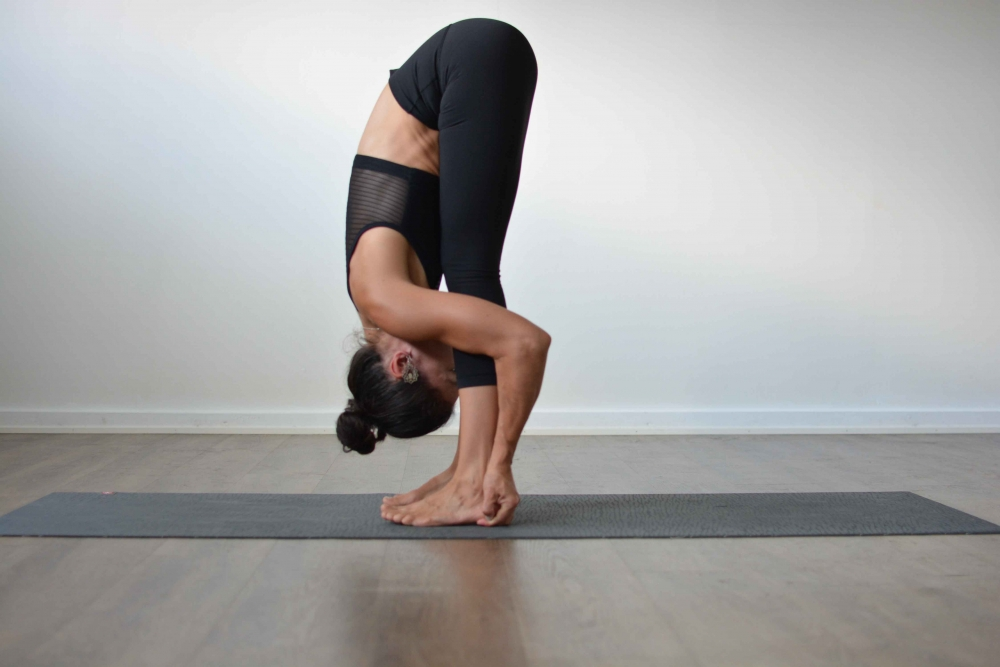
Once again coming back to the forward fold, Padahastasana creates a sense of release and focus in the inward direction before the final stretch.
How to do it
- Exhale from Ashwa Sanchalanasana and bring your left foot forward in order to come align with the right foot.
- Fold your hips and allow your torso to relax properly over the legs.
- Now keep your palms beside your feet or hold your ankles for better balance.
- Relax your upper body and let your head hang down naturally.
Benefits
- It helps in relieving tension built up in your spinal cord, calves and hamstrings.
- Improves blood circulation throughout your body.
- Releases stress and encourages self-reflection.
Hasta Uttanasana (Raised Arm Pose – Return)
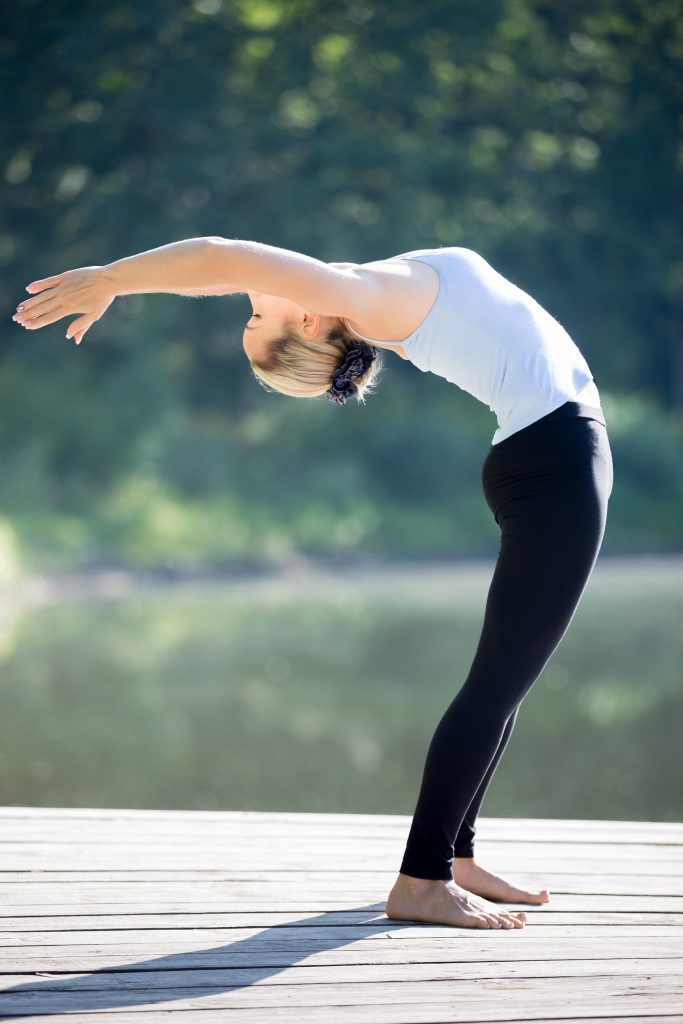
Hasta Uttanasana or the Raised arm pose is the second last asana of the sequence and is performed again for stretching your entire body completely. This time it symbolizes expansion and renewal of your soul after the inward fold.
How to do it
- From Padahastasana, rise slowly while inhaling deeply and raise your arms overhead.
- Slightly arch back and push your hips in the forward direction.
- Keep your arms close to your ears and chest fully open outwards.
- Engage your core well in order to stabilize your posture.
Benefits
- It stretches your spine and improves flexibility in your back as well as shoulders.
- Boosts your energy levels and fosters positivity in you.
- Balances your body posture after forward bending.
Pranamasana (Prayer Pose – Return)
Pranamasana is the final pose of the Surya Namaskar sequence and it helps in closing the cycle with grounding and gratitude. This pose restores internal balance and helps you in absorbing the benefits of the entire practice.
How to do it
- Exhale and bring both the palms together near the centre of your chest.
- Now stand tall, relax your body and put your feet together.
- Close your eyes gently and deep breathe steadily.
- Rest in this pose for a moment and then continue with another round of Surya Namaskar.
Benefits
- This pose promotes stability in the brain and mental calmness.
- Helps in reducing unwanted stress and frequent burnouts.
- Completes the cycle with mindfulness and gratitude.
- Helps you stay grounded and balanced internally.
Overall Benefits of Surya Namaskar
Physical Benefits
Surya Namaskar is not only a warm up but a full body sequence of asanas that engages with every major muscle in your body.
- Improves flexibility of spine and joints: This flow of sequence moves your body through forward bends and stretches which gently opens up your spine, hamstrings, shoulders, and hips. Its consistent practice will reduce stiffness and improve posture.
- Strengthens the major muscles in your body: Each asana you practice in this needs proper engagement of core, legs, and arms along with balancing. This will ultimately help you in toning every muscle in your body without using any equipment or going to the gym.
- Enhances cardiovascular health: Practicing multiple rounds of surya namaskar, consistently will help in improving your cardiovascular health along with improving stamina and blood circulation.
- Stimulates metabolism and works for weight management: Since surya namaskar involves both strength and dynamic movements of the muscles, it helps in burning more calories than regular and highly activates the metabolism rate of your body.
Mental and Emotional Benefits
Surya Namaskar also plays a vital role in regulating your emotions, controlling your stress, and improving mental health.
- Reduces stress and anxiety: Consistent practice of surya namaskar while breathing in synchronization will activate your parasympathetic nervous system. This ultimately helps in reducing the stress hormones and regulating mental clarity.
- Improves focus and concentration: The repetitive nature of this practice needs you to be aware constantly. This sharpens your mental focus and enhances your productivity.
- Balances energy levels throughout the day: Regularly practicing Surya Namaskar during sunrise will awaken your mind and body completely, while in the evening, it can release your fatigues as well as restore calmness.
- Promotes emotional stability: The 12 poses of Sun Salutations stabilizes your mood swings, channelizes energy inside your body, reduces irritability and fosters a deep sense of inner peace.
Spiritual Aspect
Apart from the major physical and mental benefits, Surya Namaskar also has a spiritual meaning to it. Traditionally, this was practiced while facing the sun and paying him gratitude for his life and energy we are provided. Every pose in the sequence is accompanied by a specific mantra which is mentioned in some of the old texts of yoga. These mantras reflect different qualities of the sun god, such as abundance, wisdom, vitality, and healing. Chanting them while practicing the asanas repetitively can add benefits to your meditation, making it even more important to practice.